
Understanding the Concept of "Haram" in Islam: A Comprehensive Guide
Related Articles: Understanding the Concept of "Haram" in Islam: A Comprehensive Guide
Introduction
With enthusiasm, let’s navigate through the intriguing topic related to Understanding the Concept of "Haram" in Islam: A Comprehensive Guide. Let’s weave interesting information and offer fresh perspectives to the readers.
Table of Content
Understanding the Concept of "Haram" in Islam: A Comprehensive Guide

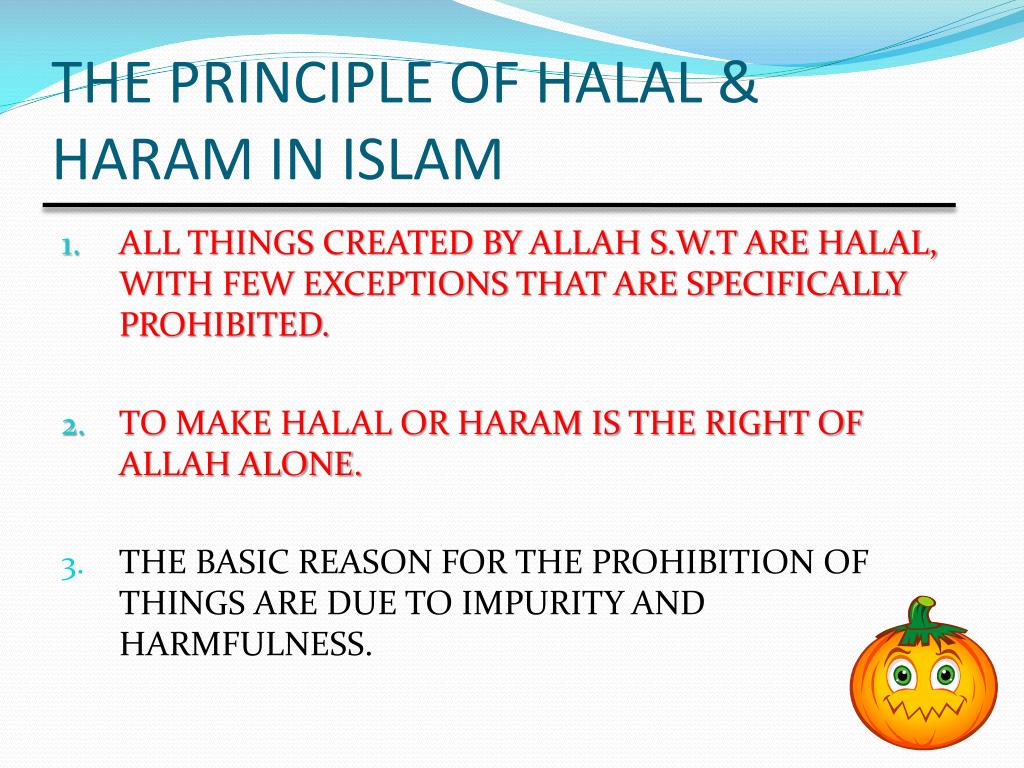
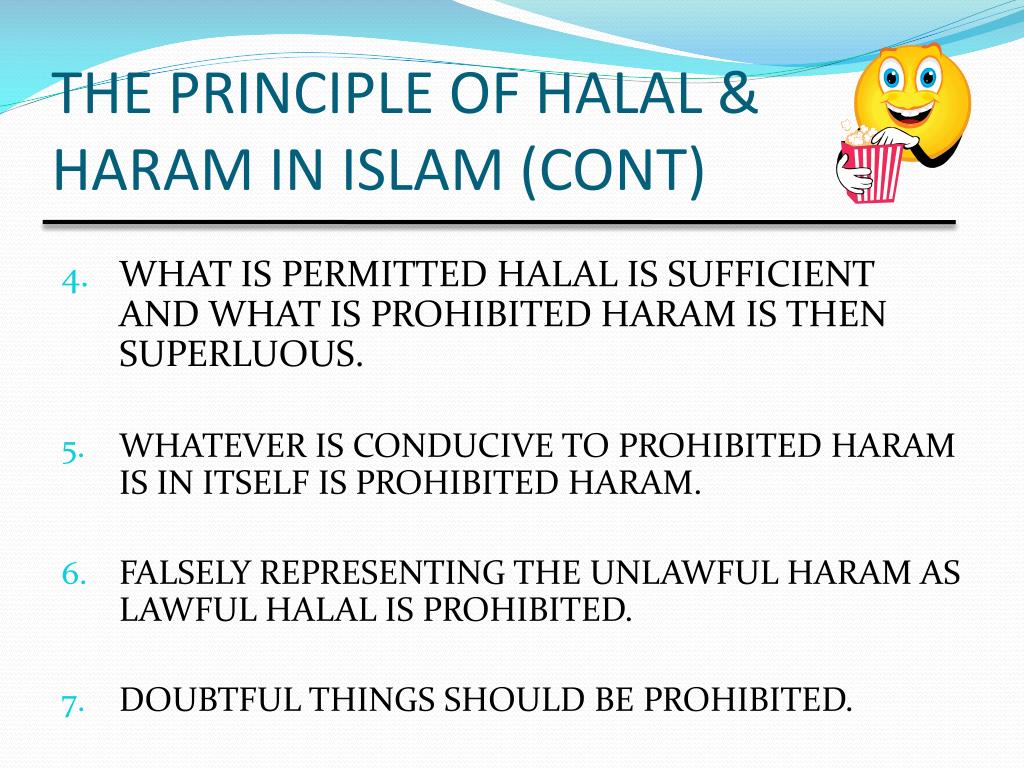
The term "haram" in Islam refers to actions, objects, or substances that are forbidden or prohibited. It is a fundamental concept in Islamic jurisprudence, derived from the Quran and the teachings of Prophet Muhammad (peace be upon him). Understanding what constitutes "haram" is crucial for Muslims as it guides their daily lives and helps them live in accordance with the divine principles.
This article aims to provide a comprehensive understanding of the concept of "haram" in Islam, exploring its diverse applications, the rationale behind its prohibitions, and its significance in shaping the lives of Muslims.
The Sources of "Haram": Quran and Sunnah
The primary sources for determining what is "haram" are the Quran and the Sunnah, which encompass the sayings and actions of Prophet Muhammad (peace be upon him). The Quran, being the divine revelation, explicitly prohibits certain actions, while the Sunnah provides further clarification and elaboration on these prohibitions.
Categories of "Haram"
The concept of "haram" encompasses a wide range of actions and substances, broadly categorized as follows:
- Acts of Worship: Certain forms of worship are considered "haram," such as worshipping idols, associating partners with God (shirk), and engaging in magic or sorcery. These acts violate the fundamental principles of monotheism and undermine the essence of true worship.
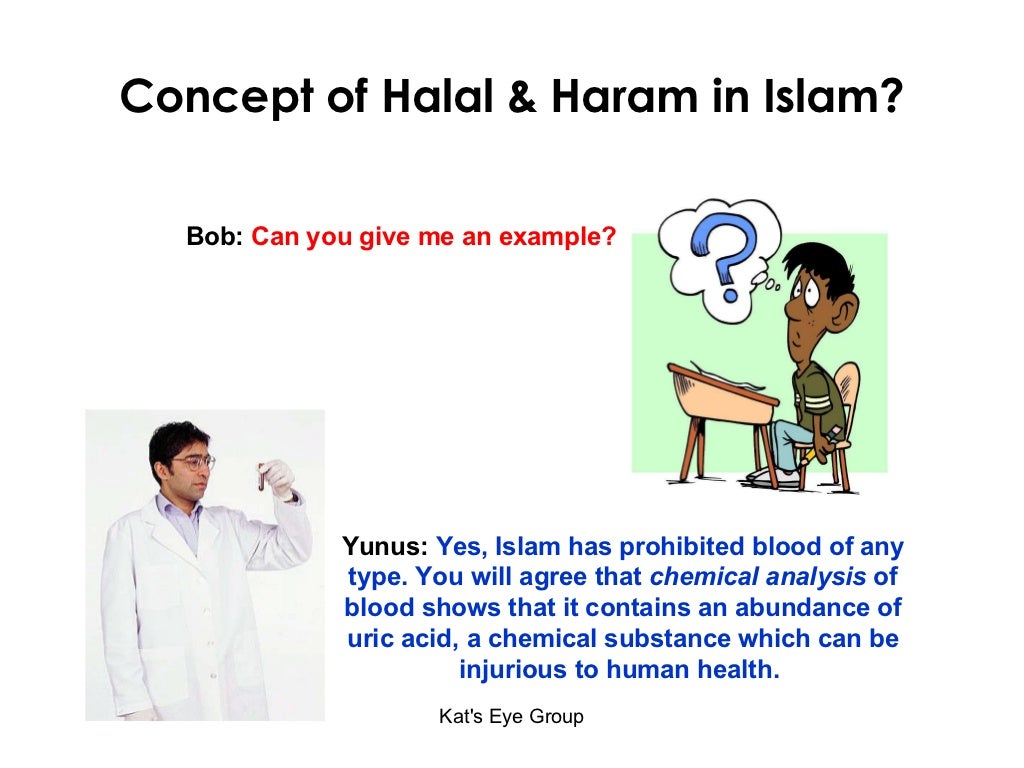
- Food and Drink: The Quran outlines specific guidelines for permissible food and drink, classifying some as "haram." This includes consuming pork, blood, carrion, animals not slaughtered according to Islamic rites, intoxicants (alcohol), and certain types of meat. These prohibitions are based on health concerns, ethical considerations, and the preservation of societal order.
- Sexual Conduct: Islam emphasizes the sanctity of marriage and prohibits sexual relations outside of it. This includes adultery, fornication, same-sex relationships, and any form of sexual exploitation. These prohibitions aim to protect the sanctity of marriage, prevent social instability, and safeguard the rights of individuals.
- Financial Transactions: Islam prohibits certain financial practices, such as usury (interest-based lending), gambling, and engaging in fraudulent activities. These prohibitions are designed to promote ethical business practices, ensure fairness in financial transactions, and prevent exploitation.
- Social Interactions: Certain social behaviors are considered "haram," such as backbiting, slander, spreading rumors, and engaging in harmful gossip. These prohibitions aim to foster a harmonious and compassionate society, where individuals are treated with respect and dignity.
- Clothing and Appearance: Islam provides guidelines for appropriate attire, emphasizing modesty and covering the body. Certain types of clothing, particularly those considered revealing or provocative, are deemed "haram." These guidelines aim to promote a sense of decorum, protect individuals from undue attention, and uphold societal values.
-
Other Prohibitions: The scope of "haram" extends to other areas, including:
- Taking a life without justification: Islam values human life and prohibits killing except in cases of self-defense, punishment for crimes, or during war.
- Stealing and robbery: Islam emphasizes honesty and prohibits stealing, robbery, and any form of unlawful acquisition of property.
- Lying and deception: Islam emphasizes truthfulness and prohibits lying, cheating, and any form of deception.
The Rationale Behind "Haram"
The prohibitions associated with "haram" are not arbitrary. They are rooted in wisdom and serve multiple purposes:
- Preserving the Purity of Faith: Prohibitions related to worship aim to safeguard the integrity of the Islamic faith and prevent the intrusion of false beliefs and practices.
- Protecting Physical and Mental Health: Prohibitions related to food and drink are often based on scientific and health considerations, ensuring the well-being of individuals.
- Promoting Social Harmony and Stability: Prohibitions related to sexual conduct, financial transactions, and social interactions are designed to create a just and harmonious society, free from exploitation, corruption, and conflict.
- Upholding Moral Values: Prohibitions related to clothing and other behaviors aim to promote a sense of modesty, decency, and respect for societal norms.
The Importance of "Haram"
Understanding and adhering to the concept of "haram" is of paramount importance for Muslims. It serves as a guiding principle for their daily lives, shaping their choices and actions. It helps them:
- Strengthen their faith: By avoiding "haram," Muslims demonstrate their commitment to the divine principles and strengthen their connection with God.
- Protect their well-being: By abstaining from "haram" substances and behaviors, Muslims ensure their physical, mental, and spiritual health.
- Contribute to a just and harmonious society: By upholding the principles of "haram," Muslims play a role in creating a society that is free from exploitation, corruption, and injustice.
- Live a life of purpose and meaning: By adhering to the divine guidelines, Muslims find purpose and meaning in their lives, knowing that they are living in accordance with the will of God.
FAQs on "Haram"
1. What are the consequences of engaging in "haram" actions?
The consequences of engaging in "haram" actions are multifaceted. They can include:
- Divine punishment: Islam teaches that engaging in "haram" actions may lead to divine punishment in this life or the afterlife.
- Spiritual harm: "Haram" actions can weaken one’s faith, distance them from God, and hinder their spiritual growth.
- Social consequences: Engaging in "haram" actions can damage one’s reputation, lead to social isolation, and cause harm to others.
- Physical harm: Consuming "haram" substances or engaging in "haram" behaviors can have negative health consequences.
2. Is it possible to accidentally engage in "haram" actions?
Yes, it is possible to accidentally engage in "haram" actions due to ignorance, forgetfulness, or lack of knowledge. However, Islam emphasizes the importance of seeking knowledge and striving to avoid "haram" as much as possible.
3. Can a Muslim be forgiven for engaging in "haram" actions?
Islam teaches that God is merciful and forgiving. If a Muslim sincerely repents for their actions, seeks forgiveness, and resolves to avoid repeating them, they can be forgiven.
4. How can a Muslim avoid engaging in "haram" actions?
To avoid engaging in "haram" actions, Muslims can:
- Seek knowledge: They should learn about the different categories of "haram" and the rationale behind the prohibitions.
- Reflect on their actions: They should regularly evaluate their choices and ensure they are in accordance with Islamic principles.
- Seek guidance from religious scholars: They can consult with knowledgeable individuals to clarify any doubts or uncertainties they may have.
- Pray for guidance: They should turn to God in prayer, seeking His guidance and protection from engaging in "haram" actions.
Tips for Living a Life Free from "Haram"
- Start with the basics: Focus on understanding and avoiding the most fundamental "haram" actions, such as idolatry, associating partners with God, and consuming pork.
- Seek knowledge gradually: Don’t try to learn everything at once. Start with small steps and gradually expand your knowledge base.
- Be mindful of your environment: Avoid situations or environments that may tempt you to engage in "haram" actions.
- Surround yourself with good company: Associate with people who are committed to living a life free from "haram."
- Remember the consequences: Keep in mind the potential consequences of engaging in "haram" actions, both in this life and the afterlife.
- Be patient and persistent: It takes time and effort to develop a habit of avoiding "haram." Don’t get discouraged if you make mistakes. Simply learn from them and continue to strive for improvement.
Conclusion
The concept of "haram" is an integral part of Islamic belief and practice. By understanding the rationale behind these prohibitions and striving to avoid them, Muslims can live a life that is pleasing to God, beneficial to themselves, and conducive to a harmonious society. It is through this commitment to the principles of "haram" that Muslims strive to live a life of purpose, meaning, and fulfillment.





Closure
Thus, we hope this article has provided valuable insights into Understanding the Concept of "Haram" in Islam: A Comprehensive Guide. We thank you for taking the time to read this article. See you in our next article!