
The Rise of Simulated Beauty: Exploring the World of Fake Makeup APIs
Related Articles: The Rise of Simulated Beauty: Exploring the World of Fake Makeup APIs
Introduction
In this auspicious occasion, we are delighted to delve into the intriguing topic related to The Rise of Simulated Beauty: Exploring the World of Fake Makeup APIs. Let’s weave interesting information and offer fresh perspectives to the readers.
Table of Content
- 1 Related Articles: The Rise of Simulated Beauty: Exploring the World of Fake Makeup APIs
- 2 Introduction
- 3 The Rise of Simulated Beauty: Exploring the World of Fake Makeup APIs
- 3.1 Understanding the Essence of Makeup Simulation APIs
- 3.2 The Mechanics Behind the Magic: How Makeup Simulation APIs Work
- 3.3 The Diverse Applications of Makeup Simulation APIs
- 3.4 The Benefits of Embracing Makeup Simulation APIs
- 3.5 Exploring the Ethical Considerations of Makeup Simulation APIs
- 3.6 FAQs on Makeup Simulation APIs
- 3.7 Tips for Using Makeup Simulation APIs Effectively
- 3.8 Conclusion
- 4 Closure
The Rise of Simulated Beauty: Exploring the World of Fake Makeup APIs

In the digital age, where visual aesthetics reign supreme, the desire to enhance our appearance has transcended physical limitations. This has led to the emergence of a fascinating technological innovation: makeup simulation APIs. These powerful tools allow users to experiment with different makeup styles, colors, and products virtually, offering a glimpse into a world of limitless beauty exploration.
Understanding the Essence of Makeup Simulation APIs
A makeup simulation API, essentially, is a software interface that enables developers to integrate makeup effects into their applications. It allows users to virtually "try on" various makeup products, from lipstick and eyeshadow to foundation and blush, without the need for physical application. This process relies on advanced computer vision techniques and algorithms that analyze facial features and apply digital makeup accordingly.
The Mechanics Behind the Magic: How Makeup Simulation APIs Work
At the core of a makeup simulation API lies a sophisticated combination of technologies:
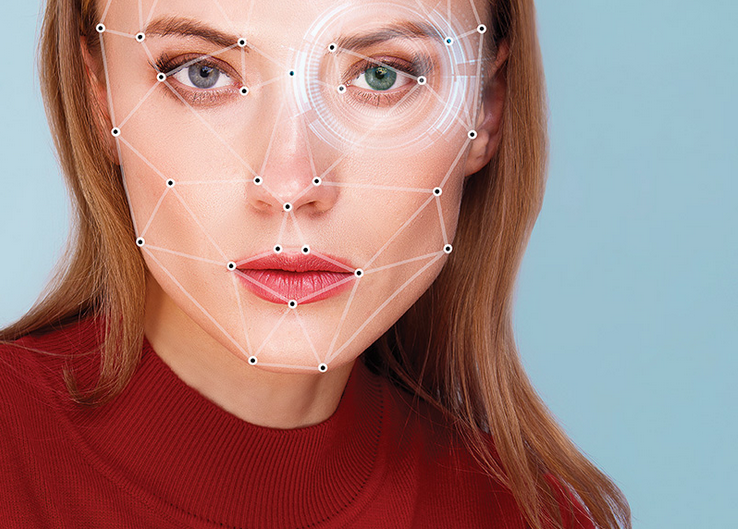
- Facial Recognition and Feature Detection: APIs utilize computer vision algorithms to identify and analyze key facial features, including eyes, lips, eyebrows, and nose. This process allows for precise makeup application, ensuring a realistic simulation.
- Image Processing and Manipulation: The identified features are then subjected to image processing techniques, such as color blending, texture mapping, and layering, to apply the chosen makeup products digitally.
- Database of Makeup Products: A comprehensive database of various makeup products, ranging from brands and shades to textures and finishes, is crucial for offering users a wide array of options.
- Real-Time Rendering: APIs utilize rendering techniques to display the simulated makeup in real-time, providing an interactive and dynamic experience for users.
The Diverse Applications of Makeup Simulation APIs
The potential applications of makeup simulation APIs are vast and continue to expand. These tools are finding their way into various industries, revolutionizing the way we interact with beauty products:
- E-Commerce and Retail: Online retailers can integrate makeup simulation APIs into their platforms, allowing customers to virtually try on products before purchasing. This enhances the shopping experience, reduces returns, and increases customer satisfaction.
- Social Media and Entertainment: Social media platforms and entertainment applications can leverage makeup simulation APIs to offer users filters and effects for enhancing their appearance in photos and videos. This creates engaging and interactive content, boosting user engagement.
- Beauty and Fashion Industry: Makeup brands can utilize makeup simulation APIs to develop virtual try-on experiences for their products, allowing customers to explore different shades, textures, and looks. This provides a personalized and interactive way to showcase products and drive sales.
- Education and Training: Makeup schools and training programs can use makeup simulation APIs to create interactive learning experiences for students. This allows for hands-on practice without the need for physical makeup products, fostering a safe and efficient learning environment.
- Healthcare and Medical Applications: Makeup simulation APIs can be utilized in healthcare settings for reconstructive surgery simulations, allowing patients to visualize potential outcomes before undergoing procedures. This enhances patient understanding and improves the decision-making process.
The Benefits of Embracing Makeup Simulation APIs
The adoption of makeup simulation APIs offers a plethora of benefits, both for individuals and businesses:
- Enhanced User Experience: Virtual try-on experiences provide a fun and engaging way for users to experiment with different makeup styles, colors, and products, empowering them to explore their personal style and discover new favorites.
- Increased Sales and Conversions: For businesses, makeup simulation APIs can lead to increased sales and conversions by offering a more personalized and interactive shopping experience, reducing the risk of returns and encouraging impulsive purchases.
- Reduced Waste and Environmental Impact: Virtual try-on experiences eliminate the need for physical product testing, leading to reduced waste and a more sustainable approach to the beauty industry.
- Accessibility and Inclusivity: Makeup simulation APIs can break down barriers to access, allowing individuals with disabilities or allergies to experiment with makeup products without the risk of irritation or discomfort.
- Innovation and Creativity: Makeup simulation APIs provide a platform for creative experimentation, allowing artists and developers to push the boundaries of digital makeup effects and explore new possibilities in the beauty industry.
Exploring the Ethical Considerations of Makeup Simulation APIs
While makeup simulation APIs offer numerous advantages, it is essential to acknowledge the potential ethical considerations associated with their use:
- Body Image and Self-Esteem: The widespread use of makeup simulation APIs could potentially contribute to unrealistic beauty standards and negatively impact body image and self-esteem, particularly among young people. It is crucial to promote responsible use and emphasize the importance of diversity and inclusivity in beauty.
- Privacy Concerns: The use of facial recognition technology in makeup simulation APIs raises privacy concerns, as it involves the collection and analysis of personal data. It is essential to ensure that user data is collected and used responsibly and ethically, in compliance with data privacy regulations.
- Authenticity and Transparency: The use of makeup simulation APIs should be transparent and clearly communicated to users, avoiding any deception or misleading representations. It is important to differentiate between real and simulated makeup applications, ensuring that users are aware of the limitations and capabilities of the technology.
FAQs on Makeup Simulation APIs
1. What is the difference between a makeup simulation API and a filter app?
A makeup simulation API is a software interface that enables developers to integrate makeup effects into their applications. Filter apps, on the other hand, are standalone applications that offer pre-designed filters for applying makeup effects to images or videos. While both use similar technologies, APIs provide greater flexibility and customization options for developers.
2. Are makeup simulation APIs accurate?
The accuracy of makeup simulation APIs depends on several factors, including the quality of the facial recognition algorithms, the comprehensiveness of the makeup product database, and the rendering capabilities of the API. While not perfect, advancements in technology are constantly improving the realism and accuracy of these tools.
3. How do I choose the right makeup simulation API for my needs?
The choice of makeup simulation API depends on your specific needs and requirements. Consider factors such as the types of makeup effects you need, the platforms you want to integrate with, the level of customization required, and the budget you have.
4. Are there any limitations to makeup simulation APIs?
Makeup simulation APIs are not without limitations. They may not be able to accurately simulate certain makeup effects, such as complex textures or intricate designs. Additionally, the results may vary depending on the quality of the input image and the lighting conditions.
5. What is the future of makeup simulation APIs?
The future of makeup simulation APIs looks promising. Advancements in artificial intelligence, computer vision, and rendering technologies are likely to lead to even more realistic and personalized experiences. Expect to see further integration of makeup simulation APIs into various industries, enhancing the way we interact with beauty products and explore our personal style.
Tips for Using Makeup Simulation APIs Effectively
- Choose a reputable API provider: Select a provider with a proven track record and a strong reputation for accuracy and reliability.
- Understand the API’s limitations: Be aware of the capabilities and limitations of the API before using it, ensuring that it meets your specific needs.
- Experiment with different settings: Play around with the API’s settings and options to find the best results for your desired look.
- Use high-quality input images: For the most accurate results, use clear and well-lit images with minimal distortion.
- Share your experiences: Share your experiences with makeup simulation APIs with others, providing feedback and insights that can benefit the community.
Conclusion
The emergence of makeup simulation APIs marks a significant shift in the way we interact with beauty products, offering a world of virtual experimentation and limitless possibilities. These powerful tools are transforming the beauty industry, enhancing the shopping experience, fostering creativity, and promoting inclusivity. As technology continues to advance, we can expect even more innovative and realistic makeup simulation experiences, further blurring the lines between the virtual and the real. By embracing these advancements responsibly and ethically, we can unlock the transformative potential of makeup simulation APIs, shaping a future where beauty is accessible, empowering, and truly limitless.




Closure
Thus, we hope this article has provided valuable insights into The Rise of Simulated Beauty: Exploring the World of Fake Makeup APIs. We hope you find this article informative and beneficial. See you in our next article!