
The Hidden Costs of Beauty: Exploring the Potential Harmful Effects of Makeup
Related Articles: The Hidden Costs of Beauty: Exploring the Potential Harmful Effects of Makeup
Introduction
With great pleasure, we will explore the intriguing topic related to The Hidden Costs of Beauty: Exploring the Potential Harmful Effects of Makeup. Let’s weave interesting information and offer fresh perspectives to the readers.
Table of Content
The Hidden Costs of Beauty: Exploring the Potential Harmful Effects of Makeup
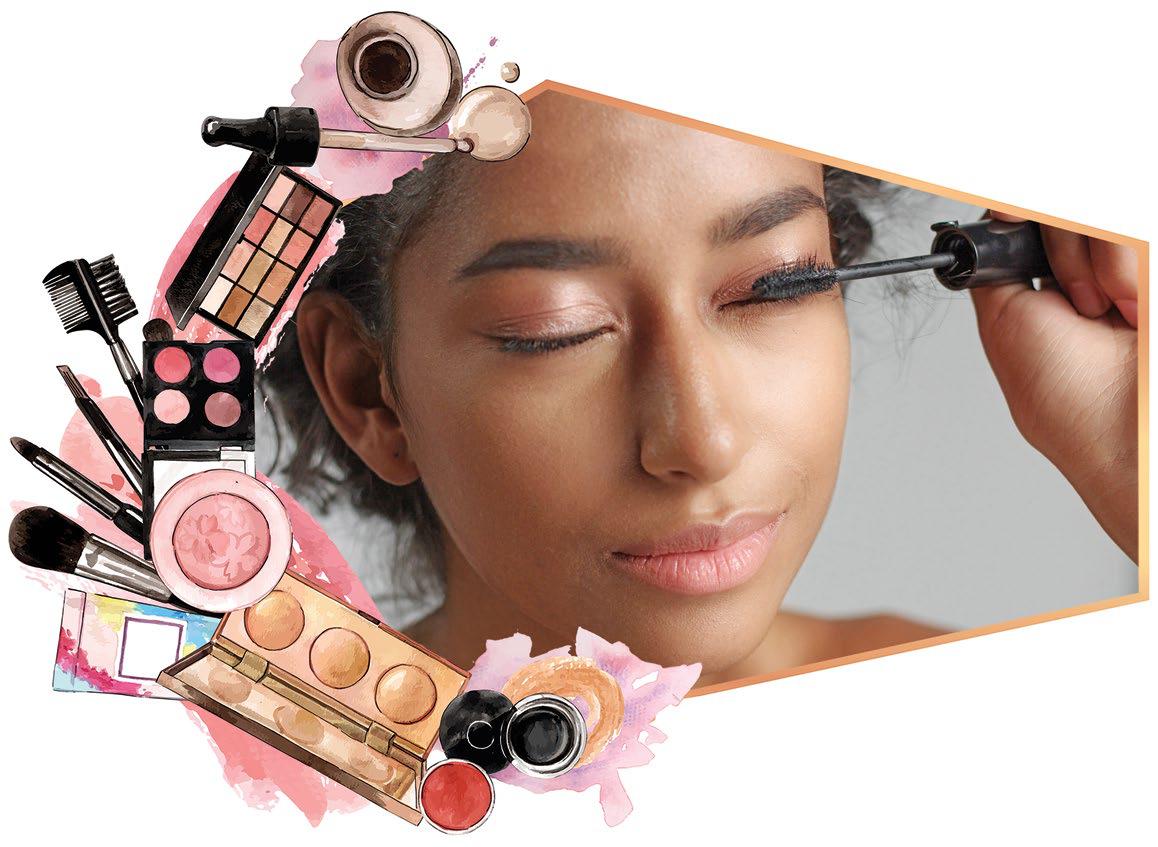
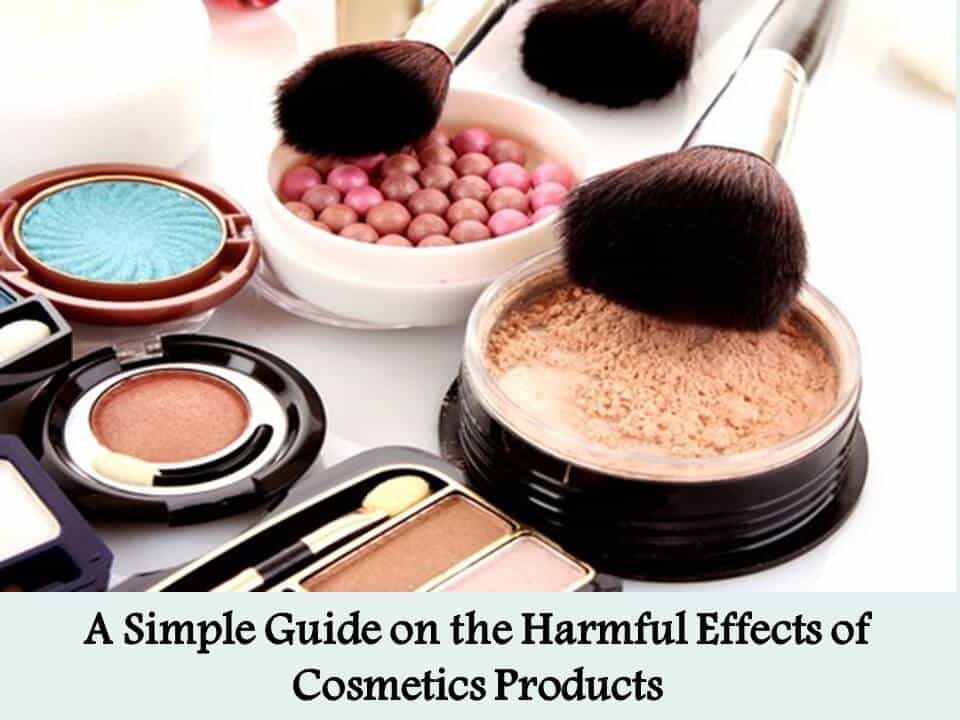
In a world obsessed with achieving flawless skin and enhancing natural features, makeup has become an indispensable tool for countless individuals. It empowers self-expression, boosts confidence, and allows for artistic creativity. However, the pursuit of beauty through makeup can come with hidden costs, as certain ingredients and practices can have detrimental effects on the skin and overall health. This article delves into the potential harmful effects of makeup, exploring its impact on the skin, eyes, and even the environment.
Skin Irritation and Allergies:
Many makeup products contain chemicals that can trigger allergic reactions or irritate sensitive skin. Common culprits include:
- Fragrances: Synthetic fragrances are often added to makeup for pleasant scents, but they can cause contact dermatitis, a skin rash characterized by redness, itching, and swelling.
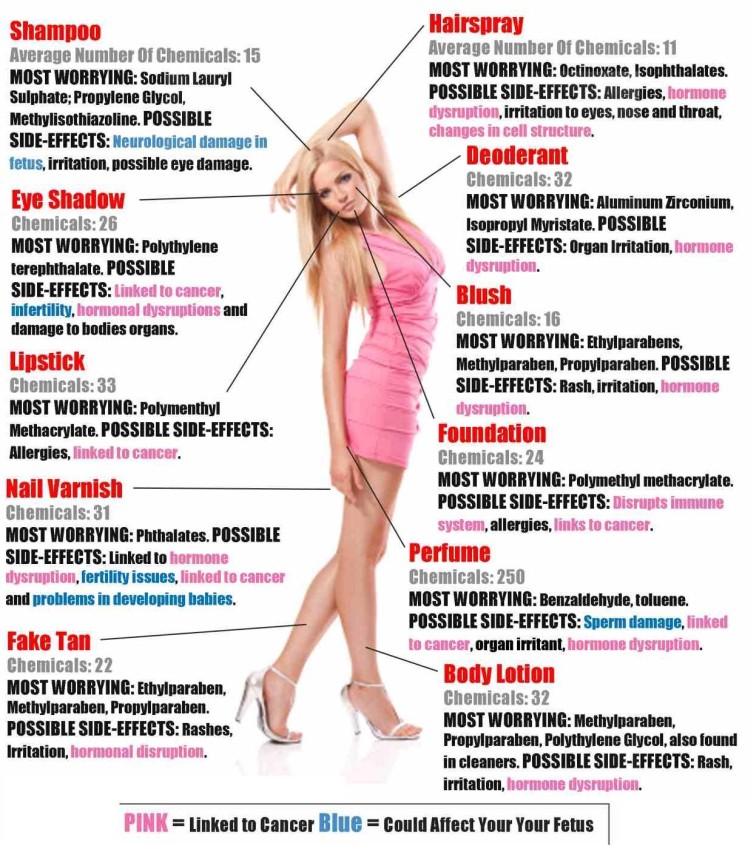
- Preservatives: Preservatives like parabens are used to prevent bacterial growth, but they can disrupt hormone function and contribute to skin irritation.
- Colorants: Pigments used to create vibrant colors can also be irritating, especially for those with sensitive skin.
These ingredients can lead to various skin issues, including:
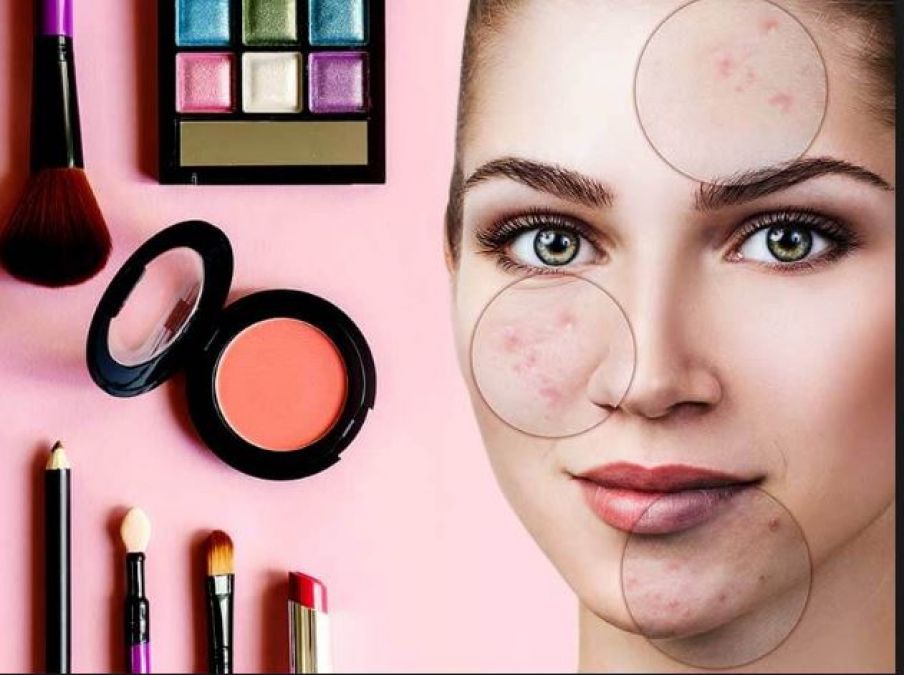
- Acne: Some makeup products can clog pores, leading to breakouts, particularly those containing oil-based ingredients.
- Rosacea: This chronic skin condition, characterized by redness, bumps, and visible blood vessels, can be exacerbated by certain makeup products, particularly those containing irritants.
- Eczema: Makeup can worsen eczema symptoms by triggering inflammation and dryness.
Eye Health Concerns:
Eyes are particularly vulnerable to the effects of makeup, as the delicate skin around them is easily irritated. Common eye-related concerns associated with makeup include:
- Conjunctivitis (Pink Eye): Bacteria and other irritants from makeup can cause inflammation of the conjunctiva, the membrane lining the inside of the eyelid and the white part of the eye.
- Styes: These painful, red bumps on the eyelid are often caused by bacterial infection, which can be aggravated by unclean makeup brushes or sharing makeup with others.
- Allergic Reactions: Some individuals may experience allergic reactions to certain ingredients in eye makeup, leading to itching, redness, and even vision impairment.
Long-Term Skin Damage:
While short-term skin irritation is a common concern, the long-term effects of makeup can be more severe.
- Premature Aging: Some ingredients in makeup, such as harsh chemicals and sunscreens, can accelerate the aging process by damaging collagen and elastin, the proteins responsible for skin elasticity.
- Hyperpigmentation: Frequent use of certain makeup products, especially those containing harsh chemicals, can lead to dark spots and uneven skin tone.
- Skin Cancer: While makeup itself does not directly cause skin cancer, prolonged exposure to the sun without adequate protection can increase the risk. Some makeup products may contain sunscreens, but they may not offer sufficient protection, and it is essential to use a separate sunscreen with an SPF of 30 or higher.
Environmental Impact:
The production and disposal of makeup have significant environmental consequences.
- Packaging Waste: Makeup packaging, often made from plastic and other non-biodegradable materials, contributes to landfill waste.
- Water Pollution: Chemicals from makeup products can end up in waterways, polluting water sources and harming aquatic life.
- Microplastics: Some makeup products contain microplastics, tiny plastic particles that can accumulate in the environment and pose a threat to marine life.
Understanding the Importance of Safe and Responsible Makeup Practices:
While the potential harmful effects of makeup are concerning, it’s crucial to recognize that not all makeup products are created equal. Choosing high-quality, hypoallergenic products with minimal irritants and avoiding harsh chemicals can significantly reduce the risk of adverse reactions.
Tips for Safe and Responsible Makeup Use:
- Choose hypoallergenic products: Opt for makeup labeled as hypoallergenic or formulated for sensitive skin.
- Perform patch tests: Before applying new makeup products, test them on a small area of skin for 24 hours to check for any reactions.
- Read labels carefully: Be aware of potential irritants and avoid products containing ingredients you are sensitive to.
- Clean your brushes regularly: Bacteria can accumulate on makeup brushes, so clean them regularly with a mild soap and water.
- Don’t share makeup: Sharing makeup can spread bacteria and increase the risk of infections.
- Remove makeup before bed: Leaving makeup on overnight can clog pores and irritate the skin.
- Use sunscreen: Always wear sunscreen with an SPF of 30 or higher, even on cloudy days, to protect your skin from the sun’s harmful rays.
- Choose eco-friendly products: Look for makeup products made from sustainable ingredients and packaged in recyclable materials.
FAQs About the Harmful Effects of Makeup:
Q: Is all makeup harmful?
A: Not all makeup is harmful. Many products are formulated with safe and gentle ingredients. However, it’s crucial to be aware of potential irritants and choose products carefully.
Q: What are the most common ingredients that cause skin irritation?
A: Common irritants include fragrances, preservatives, colorants, and certain oils.
Q: How can I avoid getting acne from makeup?
A: Choose oil-free, non-comedogenic (non-pore-clogging) makeup products and clean your brushes regularly.
Q: Can makeup cause premature aging?
A: Some makeup products, particularly those containing harsh chemicals, can accelerate the aging process. Opt for products with gentle ingredients and avoid using makeup excessively.
Q: How can I minimize the environmental impact of my makeup use?
A: Choose eco-friendly products, reduce waste by using reusable containers, and dispose of makeup responsibly.
Conclusion:
While makeup can enhance beauty and boost confidence, it’s essential to be mindful of its potential harmful effects. By understanding the risks associated with certain ingredients and practices, individuals can make informed decisions about their makeup choices and prioritize skin health and environmental sustainability. By embracing safe and responsible makeup practices, the pursuit of beauty can be enjoyed without compromising well-being.


Closure
Thus, we hope this article has provided valuable insights into The Hidden Costs of Beauty: Exploring the Potential Harmful Effects of Makeup. We appreciate your attention to our article. See you in our next article!