
The Deceptive Illusion: Understanding Fake Windows 10 Update Screens
Related Articles: The Deceptive Illusion: Understanding Fake Windows 10 Update Screens
Introduction
With great pleasure, we will explore the intriguing topic related to The Deceptive Illusion: Understanding Fake Windows 10 Update Screens. Let’s weave interesting information and offer fresh perspectives to the readers.
Table of Content
The Deceptive Illusion: Understanding Fake Windows 10 Update Screens

The digital landscape is rife with threats, and malicious actors constantly seek new ways to exploit vulnerabilities. One such tactic involves the creation of fake Windows 10 update screens, designed to trick unsuspecting users into relinquishing sensitive information or installing harmful software. This article aims to demystify these deceptive screens, providing a comprehensive understanding of their workings, potential dangers, and preventative measures.
Understanding the Deception
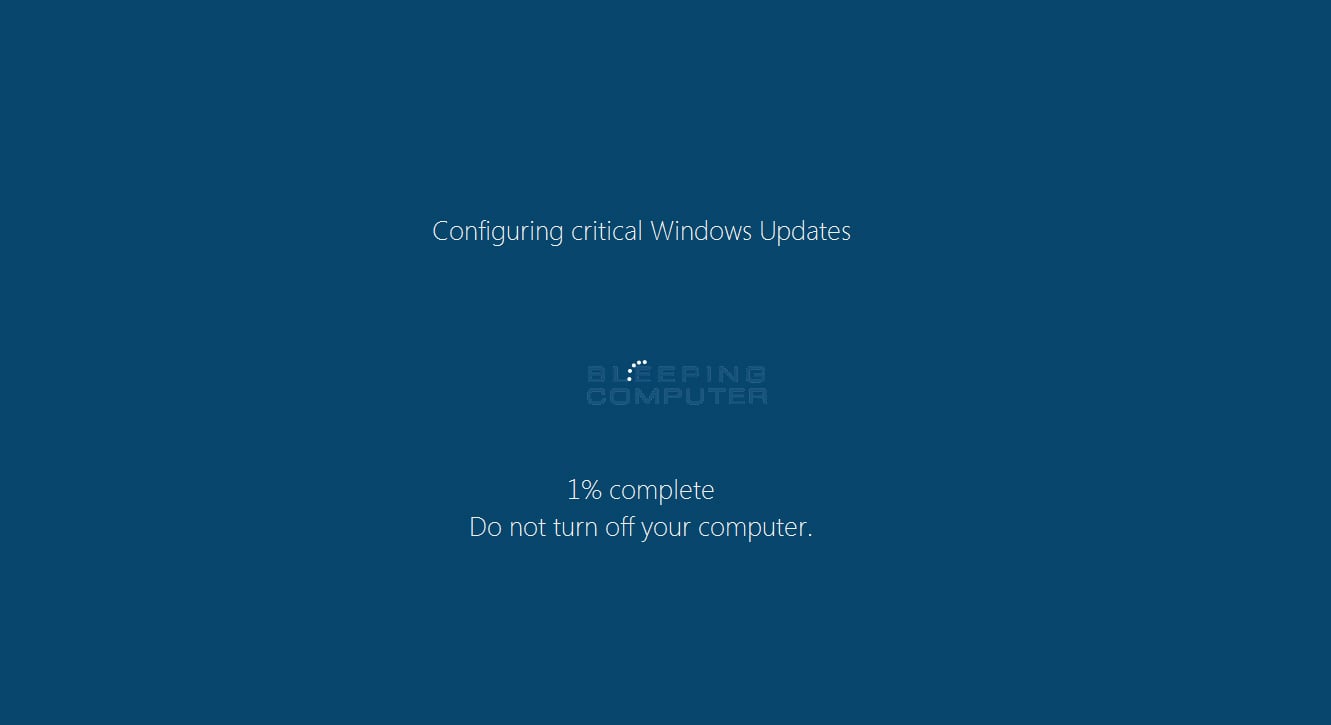
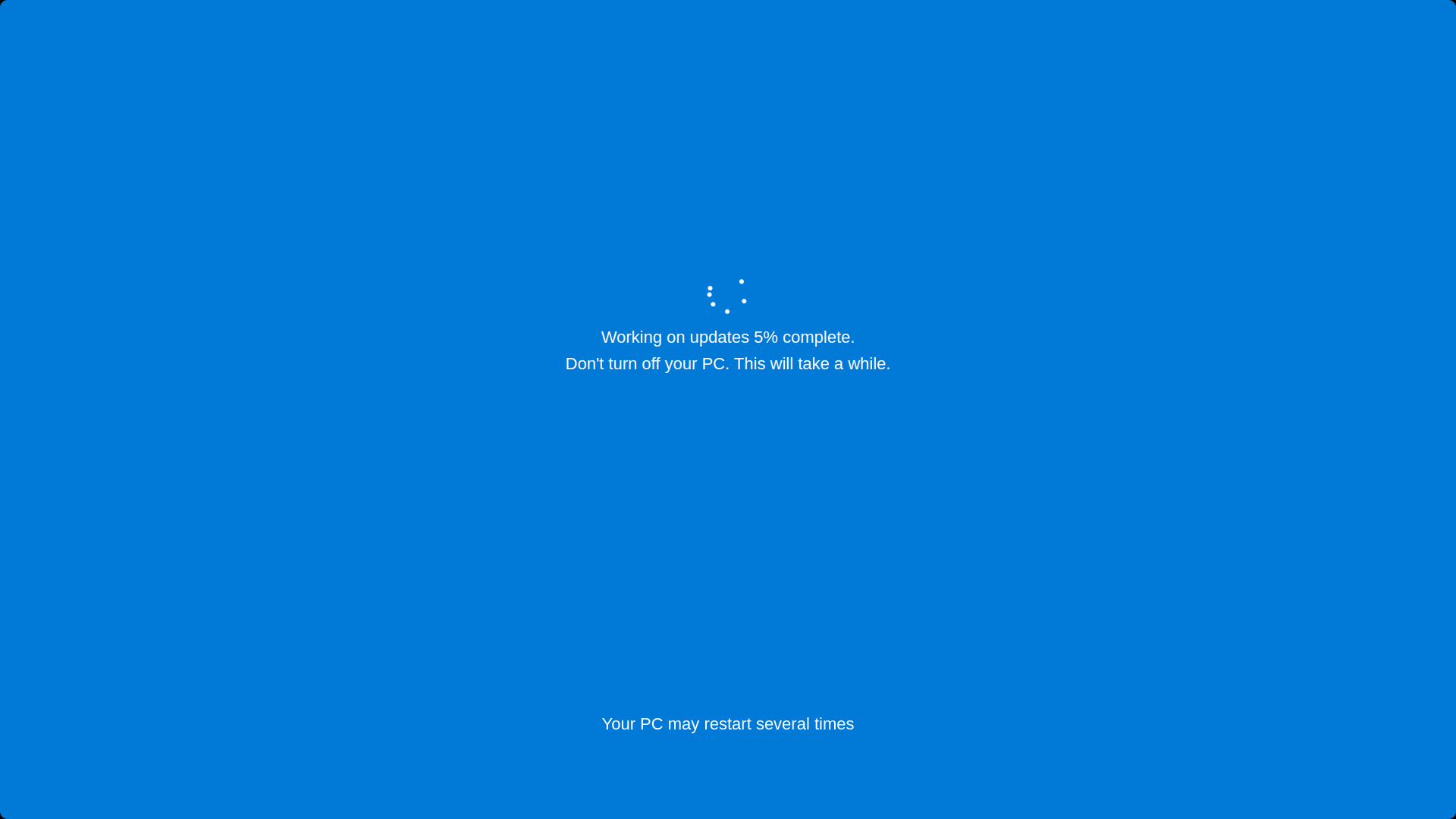
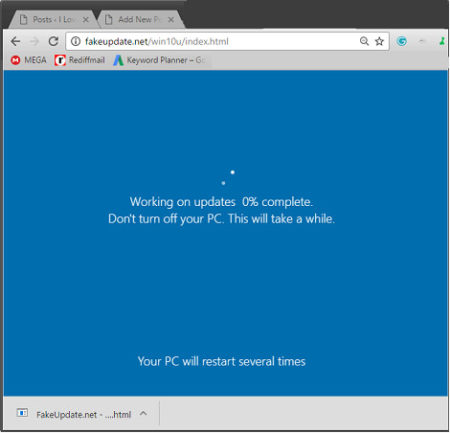
Fake update screens are meticulously crafted imitations of legitimate Windows 10 update notifications. They often display familiar branding, progress bars, and even system messages, mimicking the look and feel of genuine updates. This visual similarity can be extremely convincing, especially for individuals unfamiliar with the subtle nuances of legitimate updates.
Motives Behind the Deception
The primary motive behind fake update screens is to gain unauthorized access to a user’s device or data. The methods employed by these screens vary, but common tactics include:
- Data Theft: Fake screens can prompt users to enter personal information, such as login credentials, credit card details, or social security numbers, under the pretense of verifying their identity or completing the "update" process.
- Malware Installation: The screens may offer a deceptive download link, seemingly for the update, which actually installs malicious software onto the device. This malware can range from keyloggers that steal passwords to ransomware that locks users out of their files until a ransom is paid.
- Ransomware Delivery: Fake screens can also be used to directly deliver ransomware, which encrypts a user’s files and demands payment for their decryption. This type of attack can be extremely damaging, resulting in significant data loss and financial hardship.
- Phishing: Some fake screens are designed to redirect users to phishing websites, which mimic legitimate online services like banks or social media platforms. These sites then attempt to steal login credentials and other sensitive information.
Identifying the Red Flags
While the visual resemblance to genuine updates can be convincing, several red flags can help users identify these fake screens:
- Unusual Update Prompts: Legitimate Windows 10 updates are typically initiated by the system itself, not through pop-up notifications. Be wary of unexpected prompts, especially those that appear outside the usual update schedule.
- Suspicious Domain Names: Pay close attention to the URL displayed on the fake update screen. Legitimate Windows updates are delivered through Microsoft servers, and the URL should reflect this. Any unfamiliar or suspicious-looking domain name should raise a red flag.
- Grammar and Spelling Errors: Fake screens are often created by individuals with limited English proficiency, leading to grammatical and spelling errors. These inconsistencies are a strong indicator of a fraudulent attempt.
- Lack of Official Logos and Branding: Legitimate Windows update screens will display the official Microsoft logo and branding. The absence of these elements can be a telltale sign of a fake screen.
- Excessive Urgency: Fake screens often create a sense of urgency, claiming that the update is critical and must be installed immediately. This tactic aims to manipulate users into acting impulsively without proper scrutiny.
Protecting Yourself from Fake Update Screens
While these screens can be deceptively convincing, several preventative measures can significantly reduce the risk of falling victim to them:
- Stay Informed: Keep yourself updated on the latest security threats and common phishing tactics. Research and learn about the signs of fake update screens and how to identify them.
- Enable Automatic Updates: Windows 10 is designed to automatically download and install updates, minimizing the need to manually interact with update prompts.
- Verify Updates Through Official Channels: If you receive an update prompt, double-check its legitimacy by visiting the official Microsoft website or contacting their support team.
- Avoid Clicking Suspicious Links: Be cautious about clicking links from unfamiliar sources, especially those claiming to offer software updates or security patches.
- Use a Strong Antivirus Program: A reputable antivirus program can detect and block malicious software, including ransomware, that may be disguised as updates.
- Keep Your Software Up to Date: Regularly update your operating system and applications to ensure you have the latest security patches.
FAQs
1. What should I do if I encounter a fake update screen?
- Do not click any links or enter any personal information.
- Close the window immediately.
- Run a full system scan with your antivirus program.
- Report the fake screen to Microsoft or your antivirus provider.
2. Can I trust update notifications from third-party websites or email?
- No. Legitimate Windows updates are delivered directly through Microsoft servers and should not be accessed through third-party websites or emails.
3. How can I verify the authenticity of a Windows update?
- Check the update history in your Windows settings.
- Visit the official Microsoft website for the latest update information.
- Contact Microsoft support for verification.
4. What if I accidentally installed malware through a fake update screen?
- Run a full system scan with your antivirus program.
- Contact a cybersecurity professional for assistance.
- Consider resetting your device to its factory settings.
5. How can I protect my device from future fake update screens?
- Follow the preventative measures outlined in this article.
- Be vigilant and skeptical of any suspicious update prompts.
- Keep your software up to date and use a strong antivirus program.
Tips
- Be skeptical: Approach any unexpected update prompts with caution and skepticism.
- Verify the source: Always verify the source of update notifications before clicking any links or entering personal information.
- Trust your instincts: If something feels off or suspicious, it likely is.
- Educate yourself: Stay informed about the latest security threats and phishing tactics.
- Report suspicious activity: Report any suspicious update screens or phishing attempts to the appropriate authorities.
Conclusion
Fake update screens represent a serious threat to computer users, posing a significant risk of data theft, malware infection, and financial loss. By understanding the tactics employed by these deceptive screens, recognizing red flags, and implementing preventative measures, individuals can significantly reduce their vulnerability to these threats. Remember, vigilance and skepticism are key to staying safe in the ever-evolving digital landscape.



Closure
Thus, we hope this article has provided valuable insights into The Deceptive Illusion: Understanding Fake Windows 10 Update Screens. We appreciate your attention to our article. See you in our next article!