
The Art of Foundation: A Comprehensive Guide to Achieving Flawless Skin
Related Articles: The Art of Foundation: A Comprehensive Guide to Achieving Flawless Skin
Introduction
In this auspicious occasion, we are delighted to delve into the intriguing topic related to The Art of Foundation: A Comprehensive Guide to Achieving Flawless Skin. Let’s weave interesting information and offer fresh perspectives to the readers.
Table of Content
The Art of Foundation: A Comprehensive Guide to Achieving Flawless Skin

Foundation makeup, a cornerstone of any makeup routine, serves as a canvas for the rest of the face, unifying skin tone, minimizing imperfections, and creating a polished look. Its versatility allows for a range of applications, from sheer coverage for a natural finish to full coverage for a flawless, airbrushed effect. This comprehensive guide delves into the intricacies of foundation makeup, exploring its types, benefits, application techniques, and essential considerations for achieving the desired outcome.
Understanding Foundation: More Than Just Coverage
Foundation’s primary function is to even out skin tone, creating a smooth and uniform base. It minimizes the appearance of blemishes, redness, and uneven pigmentation, allowing for a more balanced and radiant complexion. However, its role extends beyond mere coverage. Foundation can also:
- Protect the Skin: Many foundations incorporate SPF protection, shielding the skin from harmful UV rays.
- Hydrate and Nourish: Some foundations contain hydrating and nourishing ingredients, providing an additional layer of skincare benefits.
- Enhance Skin Texture: Certain foundations can blur imperfections and create a smoother, more refined texture.
- Boost Radiance: Foundations with light-reflecting particles can add a subtle glow to the skin, enhancing its natural radiance.
Types of Foundation: Navigating the Options
The foundation landscape is vast, offering a multitude of formulas and finishes to cater to individual needs and preferences. Understanding the different types and their characteristics is crucial for selecting the right foundation for your skin type and desired effect.
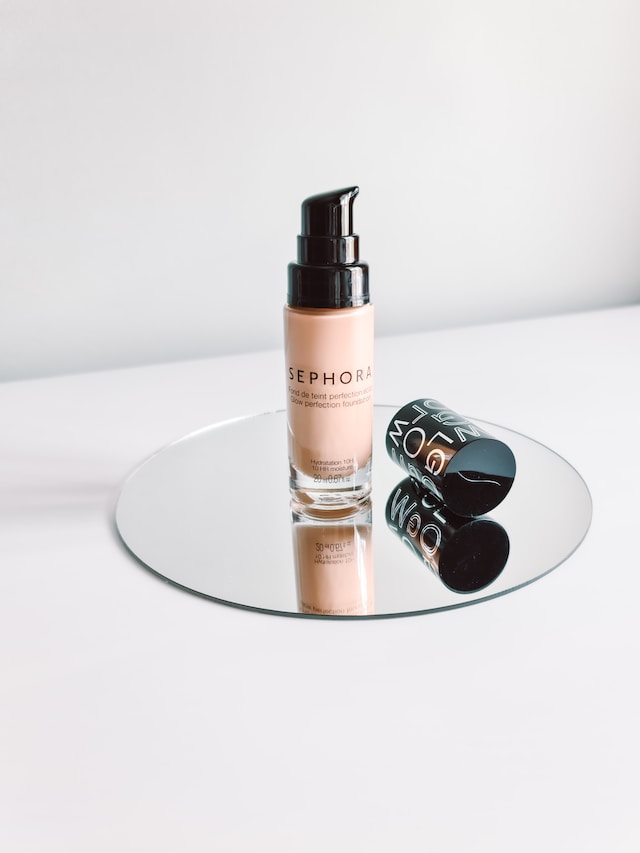
1. Liquid Foundation:
- Texture: Fluid and lightweight, blending easily for a natural finish.
- Coverage: Ranges from sheer to full, depending on the formula.
- Best for: All skin types, particularly oily or combination skin, as it can provide a dewy or matte finish.
- Application: Typically applied with a brush, sponge, or fingers.
2. Cream Foundation:
- Texture: Thick and creamy, providing a smooth, buildable coverage.
- Coverage: Medium to full, suitable for concealing imperfections.
- Best for: Dry or mature skin, as it offers hydration and a natural finish.
- Application: Applied with a brush, sponge, or fingers.
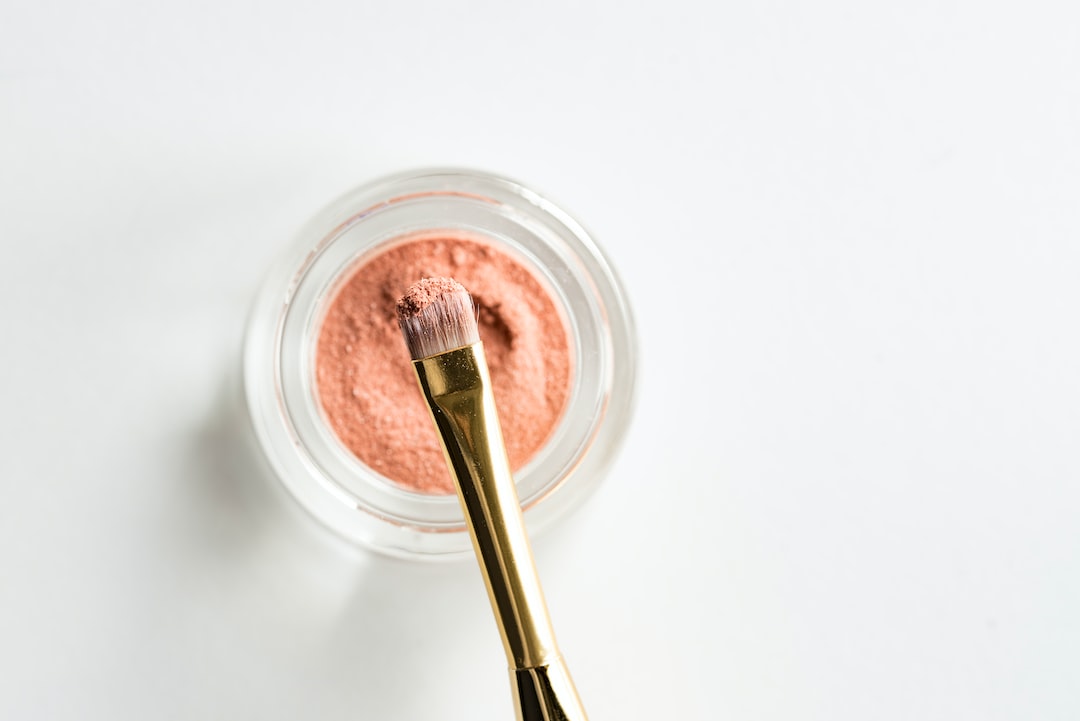
3. Powder Foundation:
- Texture: Loose or pressed powder, providing a matte finish.
- Coverage: Sheer to medium, suitable for setting other makeup or for touch-ups.
- Best for: Oily or combination skin, as it helps control shine.
- Application: Applied with a brush or sponge.
4. Stick Foundation:
- Texture: Solid and compact, providing a targeted coverage.
- Coverage: Medium to full, ideal for concealing blemishes or contouring.
- Best for: All skin types, particularly for touch-ups or spot concealing.
- Application: Applied directly to the skin and blended with a brush or sponge.
5. Mousse Foundation:
- Texture: Lightweight and airy, blending easily for a natural finish.
- Coverage: Sheer to medium, suitable for a natural, even complexion.
- Best for: Normal to dry skin, as it provides hydration and a dewy finish.
- Application: Applied with a brush, sponge, or fingers.
6. Tinted Moisturizer:
- Texture: Lightweight and hydrating, providing sheer coverage.
- Coverage: Sheer, ideal for a natural, barely-there look.
- Best for: All skin types, particularly those seeking minimal coverage and hydration.
- Application: Applied with fingers or a brush.
Choosing the Right Foundation: A Personalized Approach
Selecting the perfect foundation involves considering factors beyond just the desired coverage level. It’s essential to match the foundation to your skin type, tone, and undertone for optimal results.
1. Skin Type:
- Oily Skin: Opt for oil-free, matte foundations to control shine and prevent breakouts.
- Dry Skin: Choose hydrating foundations with a creamy or dewy finish to avoid dryness and flakiness.
- Combination Skin: Seek a foundation that balances oil control in the T-zone with hydration in drier areas.
- Sensitive Skin: Look for fragrance-free, hypoallergenic formulas to minimize irritation.
2. Skin Tone:
- Fair Skin: Choose foundations with light to medium shades, such as ivory, porcelain, or beige.
- Medium Skin: Opt for foundations with medium to tan shades, such as golden, honey, or caramel.
- Dark Skin: Select foundations with deep shades, such as rich chocolate, espresso, or mahogany.
3. Skin Undertone:
- Cool Undertone: Look for foundations with pink or blue undertones.
- Warm Undertone: Opt for foundations with yellow or gold undertones.
- Neutral Undertone: Choose foundations with a balanced mix of cool and warm undertones.
Application Techniques: Mastering the Art of Blending
Applying foundation correctly is crucial for achieving a seamless and natural finish. Different tools offer varying levels of coverage and blending capabilities, allowing you to customize your application based on your desired effect.
1. Brushes:
- Flat Foundation Brush: Provides full coverage and a smooth finish.
- Stippling Brush: Creates a natural, airbrushed effect with a light, stippling motion.
- Kabuki Brush: Ideal for blending powder foundations or setting liquid foundations.
2. Sponges:
- Beauty Blender: Creates a flawless, airbrushed finish by bouncing the sponge over the skin.
- Wedge Sponge: Provides a more targeted application and allows for precise blending.
3. Fingers:
- Offer a warm and natural application, particularly for sheer coverage.
Tips for Flawless Application:
- Prepare the Skin: Exfoliate and moisturize the skin before applying foundation for a smooth canvas.
- Start Small: Apply foundation in small amounts and blend gradually to avoid over-application.
- Use Natural Light: Ensure proper lighting for accurate color matching and blending.
- Blend Downward: Blend the foundation from the center of the face outwards and downwards for a seamless transition.
- Set with Powder: Set liquid or cream foundations with a translucent powder for a long-lasting finish.
FAQs about Foundation Makeup:
1. How long does foundation last?
The shelf life of foundation varies depending on the formula and storage conditions. Generally, liquid and cream foundations last for 12-18 months, while powder foundations can last for 2-3 years.
2. What are the benefits of using a primer before foundation?
Primer creates a smooth base for foundation, minimizing the appearance of pores and fine lines, and extending the wear of the foundation.
3. Can I use foundation on my eyelids?
While some foundations can be used on the eyelids, it’s generally recommended to use a dedicated eye primer or eyeshadow base for better adherence and longevity.
4. How do I choose the right shade of foundation?
Test the foundation on your jawline under natural light. The shade that blends seamlessly with your skin tone is the correct match.
5. What is the difference between foundation and concealer?
Foundation provides overall coverage and evens out skin tone, while concealer targets specific imperfections, such as blemishes or dark circles.
Conclusion: Foundation as a Canvas for Beauty
Foundation makeup is an essential tool for achieving a flawless and radiant complexion. By understanding the different types, choosing the right formula for your skin type, and mastering application techniques, you can unlock the transformative power of foundation. Remember, the key to successful foundation application lies in selecting the right product, embracing a personalized approach, and focusing on creating a seamless and natural finish that enhances, not masks, your natural beauty.




Closure
Thus, we hope this article has provided valuable insights into The Art of Foundation: A Comprehensive Guide to Achieving Flawless Skin. We appreciate your attention to our article. See you in our next article!