
The Art of Fear: Crafting Games to Evoke Powerful Emotional Responses
Related Articles: The Art of Fear: Crafting Games to Evoke Powerful Emotional Responses
Introduction
With great pleasure, we will explore the intriguing topic related to The Art of Fear: Crafting Games to Evoke Powerful Emotional Responses. Let’s weave interesting information and offer fresh perspectives to the readers.
Table of Content
- 1 Related Articles: The Art of Fear: Crafting Games to Evoke Powerful Emotional Responses
- 2 Introduction
- 3 The Art of Fear: Crafting Games to Evoke Powerful Emotional Responses
- 3.1 Understanding the Psychology of Fear
- 3.2 The Art of Design: Techniques for Creating Fearful Experiences
- 3.3 Importance and Benefits of Fear in Games
- 3.4 FAQs: Addressing Common Questions About Fearful Games
- 3.5 Conclusion: The Enduring Power of Fear
- 4 Closure
The Art of Fear: Crafting Games to Evoke Powerful Emotional Responses
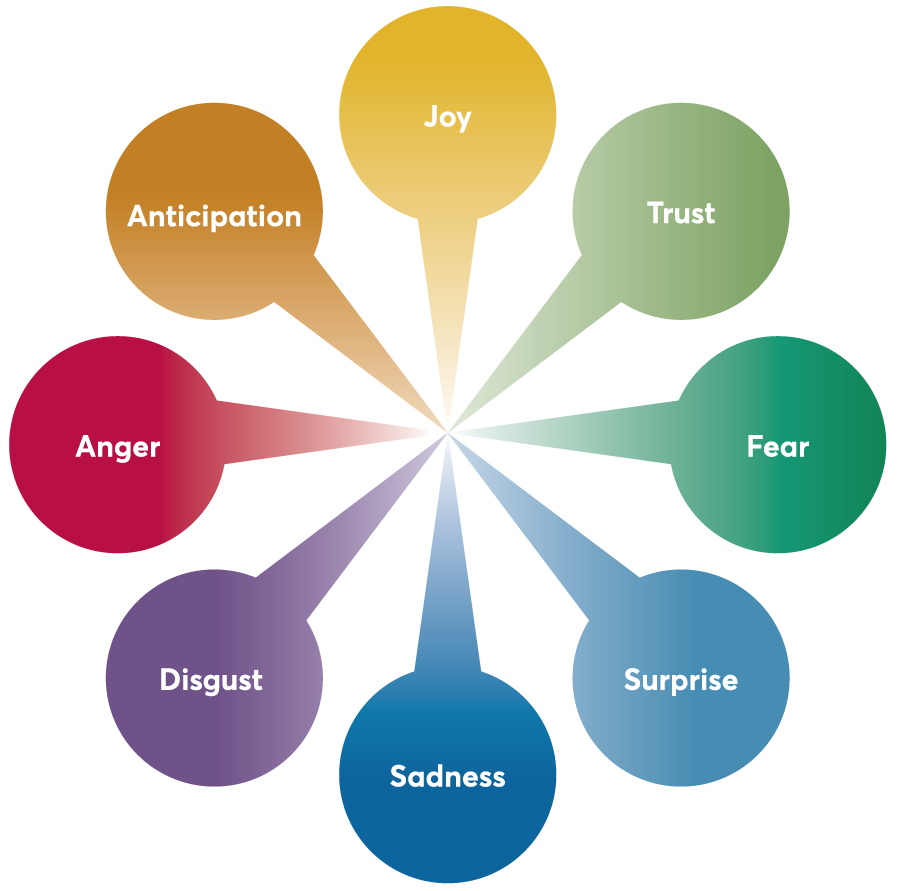
The realm of video games has evolved beyond simple entertainment. Modern games are increasingly sophisticated, capable of eliciting a wide spectrum of emotions in players, from joy and excitement to fear and sadness. While many developers strive to create immersive and engaging experiences, a specific subset focuses on crafting games designed to evoke genuine fear and elicit emotional responses ranging from mild anxiety to full-blown terror. This article delves into the intricate art of designing games to scare players, exploring the psychological principles, creative strategies, and technical considerations that underpin this unique genre.
Understanding the Psychology of Fear
Before diving into the mechanics of crafting fear-inducing games, it is crucial to understand the psychological underpinnings of fear itself. Fear is a primal instinct, a survival mechanism that has evolved to protect us from danger. It is triggered by a perceived threat, activating the fight-or-flight response in our bodies, leading to physiological changes like increased heart rate, rapid breathing, and heightened alertness.
Within the context of gaming, fear can be elicited through various stimuli. These include:
- Jump scares: These sudden, unexpected events, often accompanied by loud noises or startling visuals, trigger the fight-or-flight response, inducing a visceral jolt of fear.
- Psychological horror: This genre focuses on creating a sense of unease and dread through atmosphere, storytelling, and the gradual build-up of tension, often playing on players’ anxieties and phobias.
- Suspense and anticipation: Carefully crafted pacing and the withholding of information can build suspense, leaving players on edge and anticipating the unknown, heightening their fear.
- The unknown: The fear of the unknown is a powerful motivator, and games can exploit this by introducing mysterious elements, cryptic messages, or ambiguous situations that leave players questioning what lurks around the corner.
The Art of Design: Techniques for Creating Fearful Experiences
Game designers employ a diverse toolkit of techniques to create terrifying experiences. These techniques can be categorized as follows:
- Visuals and Sound Design: The visual and auditory elements of a game play a crucial role in setting the mood and evoking fear. Dark environments, eerie sound effects, and unsettling music can create a sense of unease and dread.
-
Gameplay Mechanics: Game mechanics can be designed to enhance the fear factor. Examples include:
- Limited resources: Scarce resources, such as ammunition or health, can increase tension and make players more vulnerable.
- Stealth mechanics: Requiring players to move silently and avoid detection can create a constant sense of anxiety and dread.
- Punishing failure: Severe consequences for mistakes, such as death or the loss of progress, can heighten the stakes and make players more cautious.
-
Storytelling and Narrative: A compelling narrative can amplify the fear experienced in a game. Elements like:
- Mysterious backstories: Unveiling a dark past or uncovering sinister secrets can create a sense of unease and anticipation.
- Psychological torment: Exploring themes of mental instability, paranoia, or trauma can create a chilling atmosphere and make players question their own sanity.
- Unreliable narrators: Characters with questionable motives or hidden agendas can cast doubt on the player’s understanding of the game world, leading to heightened anxiety.
Importance and Benefits of Fear in Games
While the concept of scaring players might seem counterintuitive, there are significant benefits to designing games that evoke fear. These benefits include:
- Enhanced Immersion: Fearful experiences can create a more immersive and engaging gameplay experience, drawing players deeper into the game world.
- Emotional Resonance: By eliciting a range of emotions, fear-inducing games can create a more impactful and memorable experience for players.
- Cognitive Stimulation: Games designed to scare players challenge players to think critically, solve puzzles, and make strategic decisions, enhancing their cognitive skills.
- Stress Relief: Paradoxically, some players find that experiencing fear in a controlled environment can be a form of stress relief. The adrenaline rush and the subsequent release can be cathartic and provide a sense of accomplishment.
FAQs: Addressing Common Questions About Fearful Games
Q: Are games designed to scare players harmful?
A: While some individuals may experience heightened anxiety or distress from playing fear-inducing games, for most players, these games are safe and enjoyable. It is essential for players to be aware of their own sensitivities and to choose games that align with their comfort levels.
Q: What are some tips for playing games designed to scare players?
A:
- Start with less intense games: Begin with games that have a lower fear factor and gradually work your way up to more challenging experiences.
- Play with friends: Playing with others can help to alleviate anxiety and make the experience more enjoyable.
- Take breaks: If you start to feel overwhelmed, take a break from the game and do something relaxing.
- Adjust game settings: Many games allow you to adjust difficulty levels and other settings to tailor the experience to your preferences.
Q: How can I create a fear-inducing game?
A: Designing a successful fear-inducing game requires a deep understanding of the psychology of fear, the art of game design, and the technical aspects of game development. It is essential to consider the following:
- Target audience: Identify the intended audience for your game and tailor your design choices accordingly.
- Game mechanics: Choose game mechanics that effectively convey fear and create challenging gameplay experiences.
- Visuals and sound design: Utilize visual and auditory elements to set the mood and create a sense of dread.
- Storytelling: Craft a compelling narrative that amplifies the fear factor.
- Testing and feedback: Thoroughly test your game with a diverse group of players to gather feedback and refine your design.
Conclusion: The Enduring Power of Fear
The art of designing games to scare players is a complex and nuanced endeavor that requires a deep understanding of human psychology, the principles of game design, and the technical aspects of game development. By skillfully weaving together these elements, developers can create immersive, emotionally resonant, and cognitively stimulating experiences that leave a lasting impact on players. While the fear evoked in these games may be temporary, the memories and lessons learned can remain with players long after the game is over.







Closure
Thus, we hope this article has provided valuable insights into The Art of Fear: Crafting Games to Evoke Powerful Emotional Responses. We hope you find this article informative and beneficial. See you in our next article!