
The Art of Creating a Long-Lasting Makeup Finish: A Guide to DIY Setting Spray
Related Articles: The Art of Creating a Long-Lasting Makeup Finish: A Guide to DIY Setting Spray
Introduction
With great pleasure, we will explore the intriguing topic related to The Art of Creating a Long-Lasting Makeup Finish: A Guide to DIY Setting Spray. Let’s weave interesting information and offer fresh perspectives to the readers.
Table of Content
The Art of Creating a Long-Lasting Makeup Finish: A Guide to DIY Setting Spray
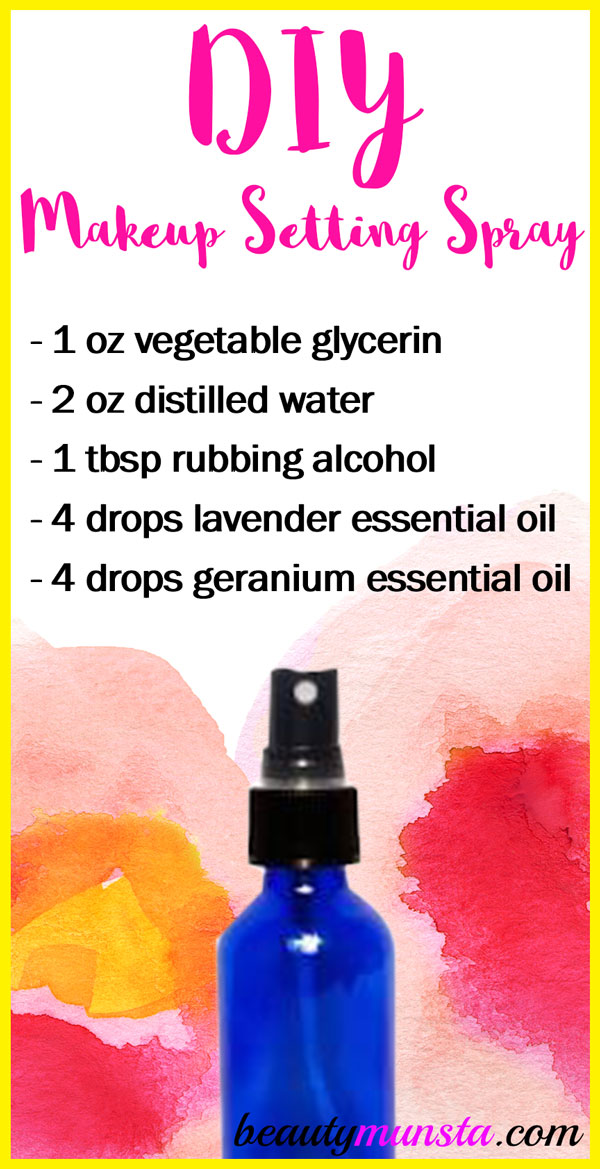
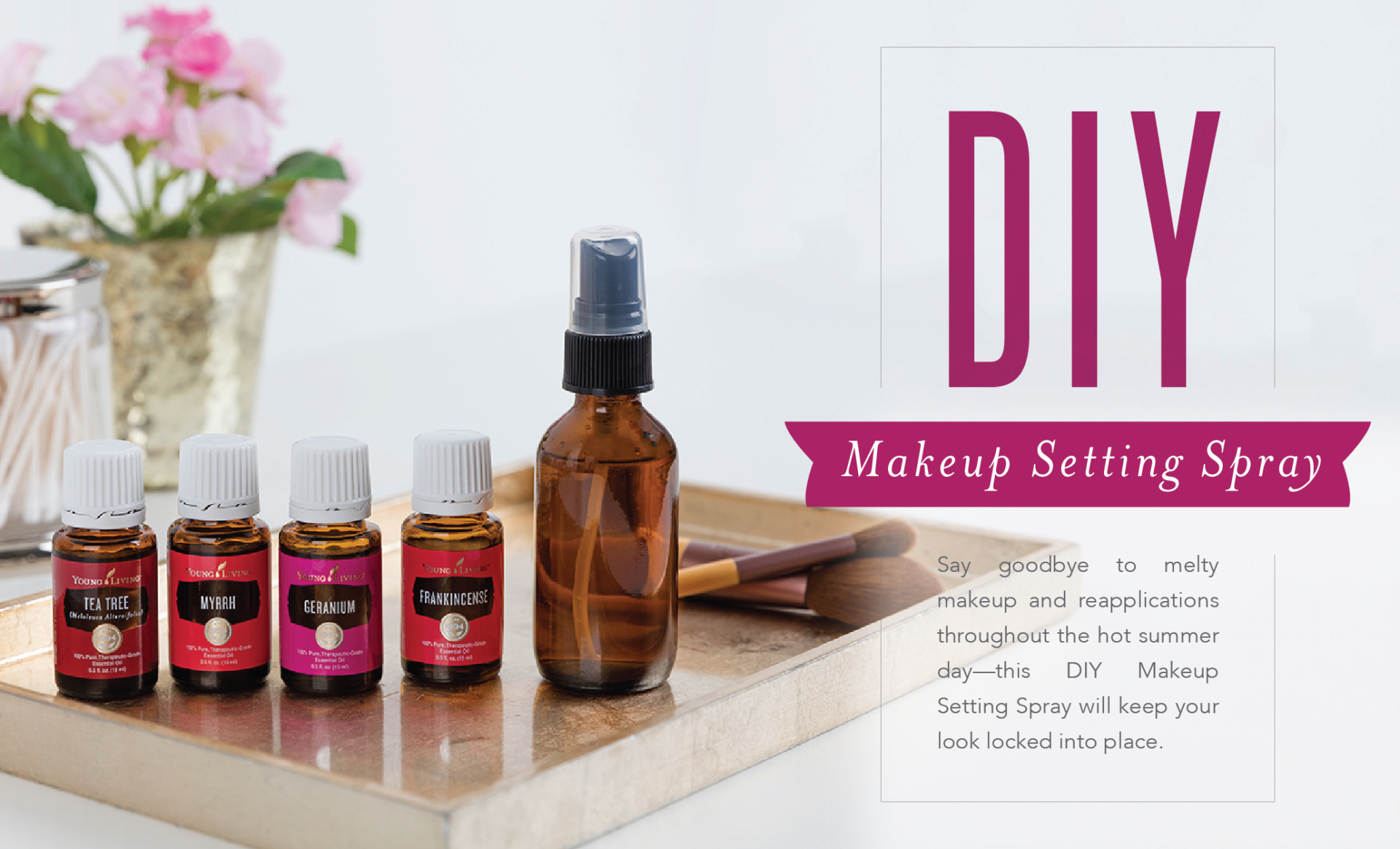
In the realm of makeup artistry, achieving a flawless and enduring finish is a coveted goal. Setting spray, a vital component of any makeup routine, acts as a sealant, locking in the artistry and ensuring its longevity throughout the day. While commercially available setting sprays abound, crafting your own presents a unique opportunity to customize the formula, tailor it to specific skin needs, and potentially save on costs.
This comprehensive guide explores the art of crafting a setting spray for makeup, delving into its significance, outlining the necessary ingredients, and providing a step-by-step process for successful creation.
Understanding the Importance of Setting Spray
Setting spray serves as a protective shield, preventing makeup from smudging, fading, or transferring throughout the day. Its application after makeup application creates a thin, invisible layer that binds the products together, ensuring a cohesive and long-lasting look.
Key Benefits of Using Setting Spray:
- Enhanced Longevity: Setting spray significantly extends the wear time of makeup, ensuring a fresh and vibrant look for hours.
- Smudge-Proof Finish: It prevents makeup from transferring or smudging, particularly around the eyes and lips.
- Matte or Dewy Finish: Depending on the formula, setting spray can achieve a desired matte or dewy finish, catering to individual preferences.
- Hydration and Comfort: Some setting sprays contain hydrating ingredients, providing a refreshing and comfortable feeling on the skin.
- Protection from Environmental Factors: Certain formulas offer protection against environmental aggressors like pollution and UV rays.
The Essential Ingredients for DIY Setting Spray
The foundation of any effective setting spray lies in its carefully chosen ingredients. While numerous recipes exist, certain components are universally recognized for their efficacy.
1. Base Liquid:
- Distilled Water: Serves as the primary solvent, ensuring smooth blending and application.
- Witch Hazel: Provides a natural astringent effect, minimizing pores and reducing oiliness.
- Aloe Vera Juice: Offers hydrating and soothing properties, ideal for sensitive skin.
- Rosewater: Possesses calming and anti-inflammatory properties, enhancing skin’s natural radiance.
2. Preservatives:
- Phenoxyethanol: A common preservative, inhibiting microbial growth and extending the shelf life of the spray.
- Potassium Sorbate: Another effective preservative, often used in combination with phenoxyethanol for optimal protection.
3. Optional Additives:
- Glycerin: Adds moisture and enhances the spray’s hydrating properties.
- Essential Oils: Offer fragrance and potential skin benefits, such as lavender for its calming effect or tea tree for its antimicrobial properties.
- Hyaluronic Acid: Provides intense hydration, plumping the skin and minimizing the appearance of fine lines.
Crafting Your Setting Spray: A Step-by-Step Guide
Materials:
- Small spray bottle (preferably glass or plastic)
- Measuring cups and spoons
- Funnel (optional)
- Sterilized container for mixing
Recipe:
- 1/2 cup distilled water
- 1 tablespoon witch hazel
- 1 teaspoon glycerin
- 1/2 teaspoon phenoxyethanol
- 5-10 drops of essential oil (optional)
Instructions:
- Sterilize Equipment: Thoroughly wash and sterilize all equipment, including the spray bottle, measuring tools, and mixing container. This ensures a clean and sanitary environment, minimizing the risk of contamination.
- Combine Ingredients: In a sterilized container, carefully combine the distilled water, witch hazel, glycerin, and phenoxyethanol.
- Add Essential Oils: If using essential oils, add them to the mixture. Remember to choose oils that complement your skin type and fragrance preferences.
- Mix Thoroughly: Use a clean spoon or whisk to thoroughly mix all ingredients until they are fully combined and the solution is homogenous.
- Transfer to Spray Bottle: Using a funnel, transfer the mixture into the sterilized spray bottle. Leave some space at the top to allow for shaking and prevent overfilling.
- Label and Store: Label the bottle with the contents and date of creation. Store the setting spray in a cool, dark place, away from direct sunlight and heat.
Tips for Creating the Perfect Setting Spray:
- Experiment with Ratios: Adjust the ratios of ingredients to tailor the formula to your specific needs. For example, increase the witch hazel content for a more astringent effect or add more glycerin for enhanced hydration.
- Consider Your Skin Type: Choose ingredients that complement your skin type. For oily skin, opt for witch hazel and aloe vera, while dry skin may benefit from glycerin and rosewater.
- Test for Sensitivity: Before applying the setting spray to your face, perform a patch test on a small area of skin to check for any allergic reactions.
- Shake Before Each Use: Ensure the ingredients are well-mixed by shaking the bottle before each application.
- Apply Evenly: Hold the spray bottle 6-8 inches away from your face and spray in a light, even mist, covering all areas where makeup has been applied.
- Let It Dry: Allow the setting spray to dry completely before applying any additional products or touching your face.
FAQs: Addressing Common Concerns
Q: How long does homemade setting spray last?
A: Properly stored homemade setting spray can last for several months. However, it is recommended to check for any signs of discoloration, odor changes, or separation, which may indicate spoilage.
Q: Can I use essential oils in my setting spray?
A: Yes, essential oils can be added to enhance the fragrance and potentially provide additional skin benefits. However, choose oils that are suitable for your skin type and fragrance preferences. Always perform a patch test before using any new essential oil.
Q: Can I use tap water instead of distilled water?
A: While tap water may seem convenient, it contains minerals and impurities that can affect the stability and shelf life of the setting spray. Distilled water is the preferred choice for its purity and lack of contaminants.
Q: How often should I apply setting spray?
A: Apply setting spray once after completing your makeup routine. You can also reapply throughout the day if needed, especially in humid or hot environments.
Conclusion: Embracing the Art of DIY Setting Spray
Crafting your own setting spray empowers you to personalize your makeup routine, ensuring a flawless and long-lasting finish that complements your individual needs. This guide provides a comprehensive framework for creating a setting spray that enhances your makeup artistry, offering a bespoke solution for achieving a truly remarkable look.



Closure
Thus, we hope this article has provided valuable insights into The Art of Creating a Long-Lasting Makeup Finish: A Guide to DIY Setting Spray. We thank you for taking the time to read this article. See you in our next article!