
The Art and Craft of Hatmaking: A Comprehensive Guide
Related Articles: The Art and Craft of Hatmaking: A Comprehensive Guide
Introduction
In this auspicious occasion, we are delighted to delve into the intriguing topic related to The Art and Craft of Hatmaking: A Comprehensive Guide. Let’s weave interesting information and offer fresh perspectives to the readers.
Table of Content
The Art and Craft of Hatmaking: A Comprehensive Guide
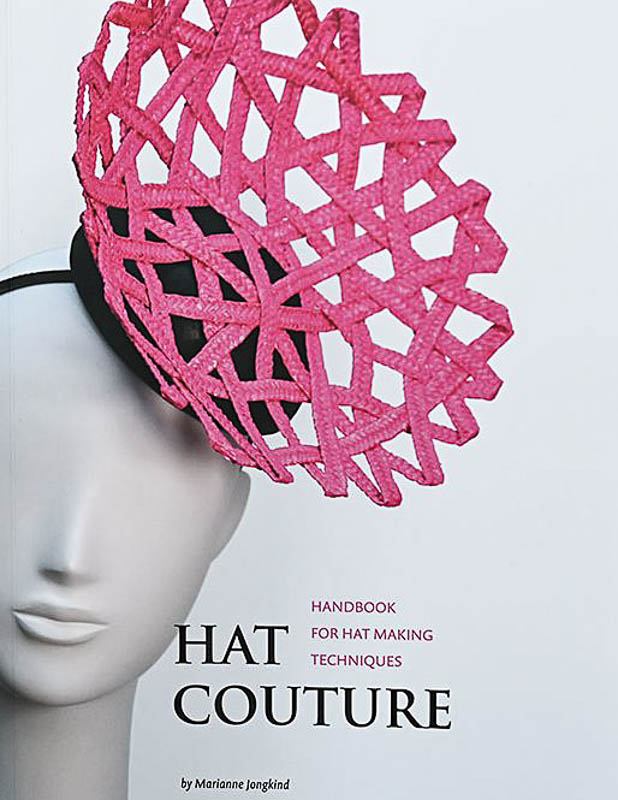
The art of hatmaking, a craft steeped in history and tradition, transcends mere fashion. It involves a meticulous fusion of artistry, craftsmanship, and technical skill, resulting in headwear that elevates style, protects from the elements, and reflects individual personality. This comprehensive guide delves into the intricacies of hatmaking, exploring its history, techniques, materials, and the enduring relevance of this fascinating craft.
A Journey Through Time: The History of Hatmaking
The origins of hatmaking are deeply intertwined with human history. From the earliest forms of headwear, crafted from animal skins and woven fibers, to the elaborate hats of ancient civilizations, headwear has always served practical and symbolic purposes.
- Ancient Origins: Evidence suggests that headwear has been a part of human culture for millennia. Ancient Egyptians, for example, wore elaborate headdresses for religious ceremonies and social status. The Romans and Greeks also utilized hats for protection from the sun and as symbols of authority.
- Medieval and Renaissance: During the Middle Ages, hats became increasingly sophisticated, reflecting societal hierarchies and evolving fashion trends. The iconic "chapeau" emerged in the Renaissance, a wide-brimmed hat popular among both men and women.
- The Industrial Revolution and Beyond: The Industrial Revolution brought about significant changes in hatmaking. Mass production techniques emerged, making hats more accessible to the general population. The 19th and 20th centuries saw the rise of iconic hat styles, from the bowler hat to the fedora, each associated with specific eras and social groups.
The Craft of Hatmaking: From Design to Creation
Hatmaking is a multifaceted craft that demands a blend of artistic vision, technical proficiency, and meticulous attention to detail. The process involves a series of intricate steps, each requiring specialized skills and knowledge.
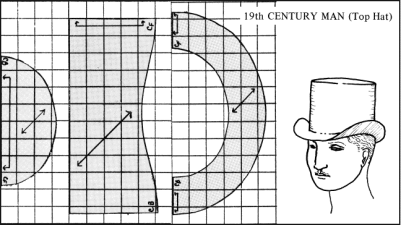
- Design and Pattern: The journey begins with the design concept. Hatmakers meticulously create patterns, taking into account the desired shape, size, and style of the hat. These patterns act as blueprints for the construction process.
- Material Selection: The choice of materials is crucial to the hat’s final form and function. Traditional hatmaking materials include felt, straw, leather, and fabric. Each material possesses unique properties that influence its suitability for specific hat styles.
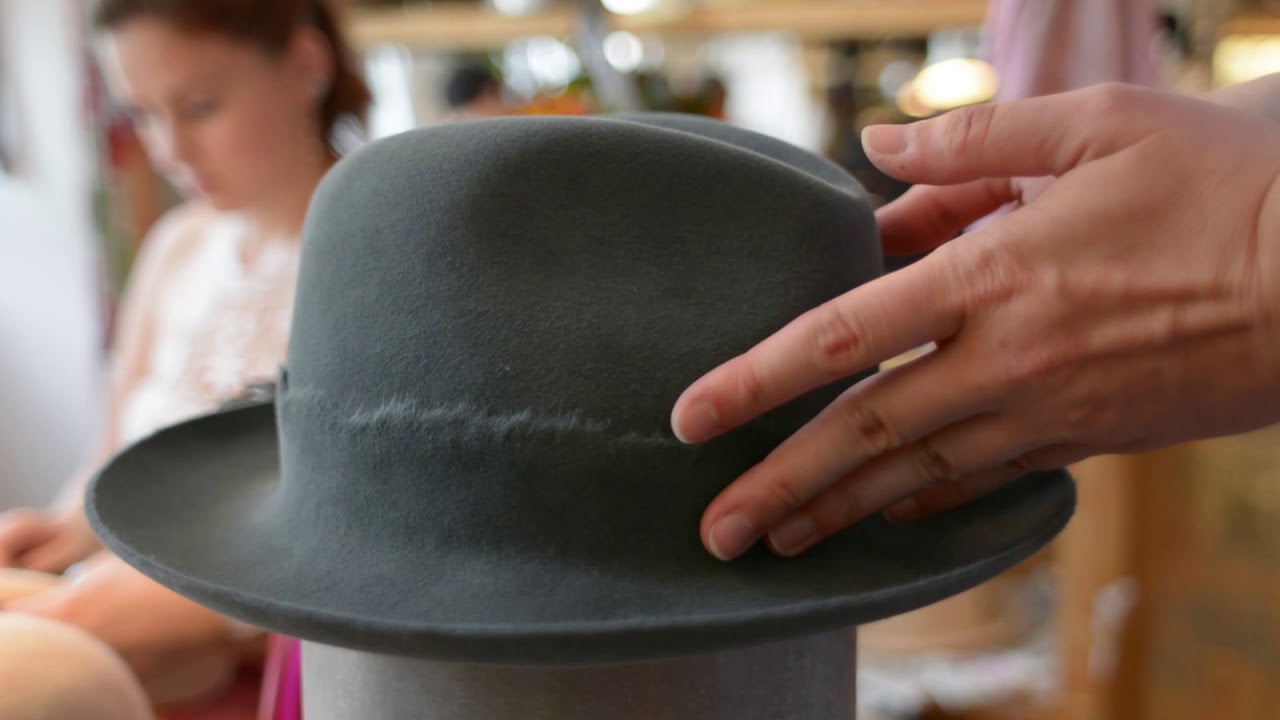
- Forming and Shaping: Once the materials are selected, the hatmaker begins the meticulous process of forming and shaping the hat. This involves manipulating the materials, using specialized tools and techniques, to achieve the desired form.
- Finishing Touches: The final stage involves adding the finishing touches, such as stitching, embellishments, and trims. These details personalize the hat and enhance its aesthetic appeal.
Materials Used in Hatmaking: A Spectrum of Choices
The choice of materials in hatmaking plays a pivotal role in determining the hat’s style, durability, and overall character. Here’s a closer look at some of the most common materials used:
- Felt: Felt, a non-woven fabric made from animal fibers, is a staple in hatmaking. It offers excellent durability, versatility, and a luxurious feel. Felt hats are often associated with classic styles like fedoras and trilby hats.
- Straw: Straw, a natural fiber derived from various grasses, is widely used for summer hats. Straw hats are lightweight, breathable, and offer sun protection. They come in a variety of weaves and styles, from Panama hats to boater hats.
- Leather: Leather, a durable and versatile material, is used for a variety of hat styles, including baseball caps, cowboy hats, and fedoras. Leather hats offer a rugged, timeless aesthetic and excellent protection from the elements.
- Fabric: Fabrics, such as cotton, linen, and silk, are often used for casual hats, such as bucket hats and sun hats. They offer breathability, comfort, and a wide range of colors and patterns.
The Enduring Relevance of Hatmaking in the Modern World
Despite the rise of mass production and fast fashion, hatmaking continues to hold a special place in the world of fashion and craftsmanship. Here’s why:
- Uniqueness and Personalization: Hatmaking allows for a high degree of customization and personalization. Hatmakers can create bespoke hats tailored to individual preferences, ensuring a unique and stylish statement.
- Craftsmanship and Tradition: Hatmaking is a craft that honors tradition and celebrates the artistry of skilled hands. It provides a tangible connection to the past, preserving centuries-old techniques and materials.
- Sustainability and Quality: As consumers become increasingly conscious of sustainability and quality, handmade hats offer a compelling alternative to mass-produced items. They are often crafted from natural materials and built to last.
- Expression of Style and Identity: Hats have the power to elevate an outfit, express personal style, and create a unique identity. They can add a touch of sophistication, whimsy, or rebellion, depending on the chosen style.
FAQs about Hatmaking
Q: What are the benefits of wearing a hat?
A: Hats offer a range of benefits, including:
- Sun Protection: Hats with wide brims provide excellent protection from harmful UV rays.
- Weather Protection: Hats can shield from rain, snow, and wind, keeping you warm and dry.
- Style and Fashion: Hats can enhance your outfit, express your personal style, and make a statement.
- Health Benefits: Some hats, like those with earflaps, can provide warmth and protection for the ears and head during cold weather.
Q: How do I choose the right hat for me?
A: When choosing a hat, consider:
- Your Face Shape: A hat should complement your face shape and features.
- Your Personal Style: Choose a hat that reflects your individual style and personality.
- The Occasion: Select a hat appropriate for the event or occasion.
- The Season: Choose a hat that is suitable for the weather conditions.
Q: How do I care for my hat?
A: Proper care is essential to preserve the shape and longevity of your hat.
- Storage: Store your hat in a cool, dry place, preferably in a hat box or on a hat stand to maintain its shape.
- Cleaning: Follow the care instructions provided by the hatmaker. Some hats can be brushed, while others may require professional cleaning.
- Re-shaping: If your hat becomes misshapen, you can gently reshape it by steaming or using a hat block.
Tips for Hatmaking Beginners
- Start with Simple Designs: Begin with basic hat styles to master the fundamental techniques before tackling more complex designs.
- Practice Regularly: Consistency is key to developing your skills. Practice your techniques regularly to improve your proficiency.
- Experiment with Materials: Explore different materials to understand their properties and how they work with various techniques.
- Seek Guidance from Experienced Hatmakers: Don’t hesitate to seek advice from experienced hatmakers or attend workshops to learn new techniques and refine your skills.
Conclusion
Hatmaking is a craft that combines artistic vision, technical skill, and a deep appreciation for tradition. It produces headwear that transcends mere fashion, offering protection, style, and a reflection of individual personality. As we move forward, it is essential to appreciate the enduring relevance of this timeless craft and support the talented hatmakers who continue to elevate the art of hatmaking. From the intricate designs to the meticulous construction, hatmaking is a testament to the enduring power of human creativity and craftsmanship.





Closure
Thus, we hope this article has provided valuable insights into The Art and Craft of Hatmaking: A Comprehensive Guide. We hope you find this article informative and beneficial. See you in our next article!