
Streamlining Efficiency: A Comprehensive Guide to Form Maker Web Apps
Related Articles: Streamlining Efficiency: A Comprehensive Guide to Form Maker Web Apps
Introduction
In this auspicious occasion, we are delighted to delve into the intriguing topic related to Streamlining Efficiency: A Comprehensive Guide to Form Maker Web Apps. Let’s weave interesting information and offer fresh perspectives to the readers.
Table of Content
Streamlining Efficiency: A Comprehensive Guide to Form Maker Web Apps
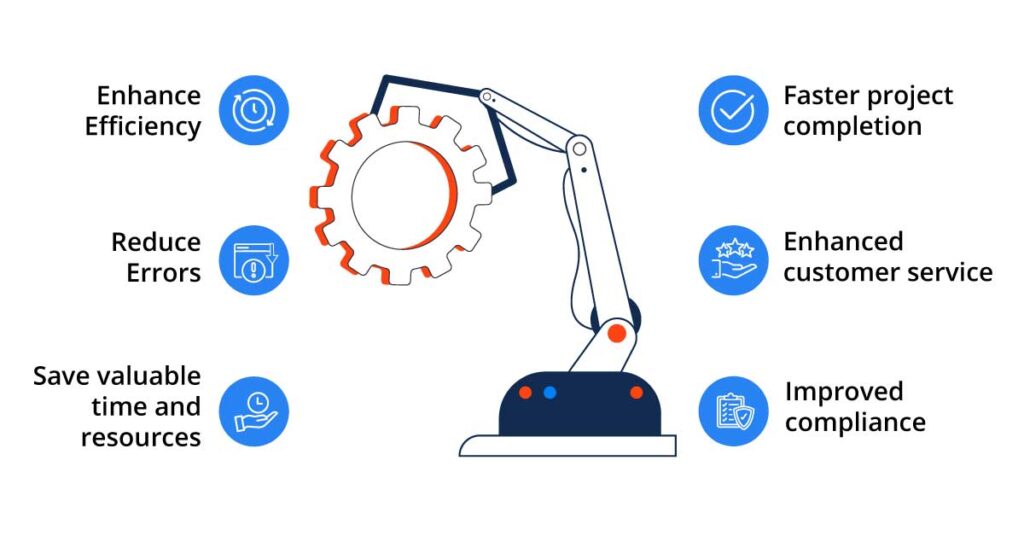
In today’s digital landscape, efficiency and data collection are paramount. Businesses and organizations across various industries are constantly seeking innovative ways to streamline processes, gather valuable insights, and optimize their operations. This is where form maker web apps emerge as a powerful tool, empowering individuals and teams to create, manage, and analyze forms with ease.
Understanding the Essence of Form Maker Web Apps
Form maker web apps are online platforms that enable users to design, build, and deploy digital forms. They provide a user-friendly interface, allowing users to create forms without requiring coding knowledge. These apps offer a range of features, including drag-and-drop functionality, pre-built templates, conditional logic, and robust data analysis tools.
Benefits of Utilizing Form Maker Web Apps
The adoption of form maker web apps brings forth a multitude of benefits, significantly impacting operational efficiency and data management. Here are some key advantages:
1. Enhanced Efficiency and Automation:
- Streamlined Data Collection: Form maker web apps eliminate the need for manual data entry, reducing errors and saving valuable time. Forms can be easily distributed and filled out online, facilitating a seamless data collection process.
- Automated Workflows: Integrating form maker web apps with other business systems allows for automated workflows. Data collected through forms can be automatically processed, triggering actions and notifications, further streamlining operations.
- Reduced Paperwork: Digital forms eliminate the need for paper-based processes, reducing printing and storage costs, and contributing to a more eco-friendly approach.
2. Improved Data Quality and Insights:
- Real-time Data Access: Form maker web apps provide real-time access to collected data, enabling informed decision-making based on up-to-date information.
- Data Validation and Consistency: Built-in validation rules ensure data accuracy and consistency, minimizing errors and improving data quality.
- Detailed Data Analysis: Powerful reporting and analytics features allow users to gain valuable insights from collected data. Charts, graphs, and customizable reports provide comprehensive data visualization, aiding in identifying trends and patterns.
3. Increased User Engagement and Accessibility:
- User-Friendly Interface: Form maker web apps are designed with user-friendliness in mind, making them accessible to users with varying technical skills. Intuitive interfaces and drag-and-drop functionality simplify form creation and completion.
- Mobile-Responsive Forms: Forms created through form maker web apps are mobile-responsive, ensuring seamless access and completion on various devices. This enhances user experience and expands the reach of data collection efforts.
- Customizable Designs: Form maker web apps offer a wide range of customization options, allowing users to tailor forms to their specific needs and branding. This enhances user engagement and creates a more professional and consistent brand experience.
4. Enhanced Security and Compliance:
- Data Encryption and Security: Form maker web apps prioritize data security, employing robust encryption protocols to protect sensitive information. Secure data storage and access controls ensure data integrity and compliance with relevant regulations.
- Compliance with Regulations: Form maker web apps often adhere to industry standards and regulations, such as GDPR and HIPAA, ensuring compliance and protecting user privacy.
Types of Forms Created with Form Maker Web Apps
The versatility of form maker web apps extends to a wide range of form types, catering to various needs and industries. Some common examples include:
- Surveys and Questionnaires: Gather feedback, conduct market research, and gauge customer satisfaction.
- Registration Forms: Collect information for events, memberships, or online services.
- Order Forms: Process online orders, collect customer information, and manage inventory.
- Contact Forms: Enable website visitors to contact businesses or organizations.
- Lead Capture Forms: Capture leads for marketing campaigns and sales efforts.
- Feedback Forms: Collect customer feedback, suggestions, and complaints.
- Application Forms: Process job applications, loan applications, or other forms requiring detailed information.
Key Features of Form Maker Web Apps
To fully understand the capabilities of form maker web apps, it’s crucial to explore the key features that empower their functionality:
- Drag-and-Drop Interface: Simplifies form creation, allowing users to easily add, rearrange, and customize form elements without requiring coding knowledge.
- Pre-built Templates: Provide ready-made form structures for common use cases, saving time and effort.
- Conditional Logic: Enables dynamic form behavior, presenting specific questions or fields based on user responses.
- Multiple File Upload: Allows users to upload multiple files, such as documents, images, or videos, as part of form submissions.
- Data Validation and Rules: Enforces data consistency and accuracy by setting validation rules for specific fields.
- Customizable Designs: Allows users to personalize forms with their branding, colors, and fonts to enhance user experience.
- Integration with Third-Party Apps: Connects with other business systems and applications, such as CRM, email marketing platforms, and payment gateways.
- Real-time Data Analytics: Provides insights into collected data through charts, graphs, and customizable reports.
- Mobile-Responsive Design: Ensures forms are accessible and usable across various devices, including smartphones and tablets.
- Security and Compliance: Implements robust security measures, such as data encryption and access controls, to protect sensitive information and ensure compliance with regulations.
Choosing the Right Form Maker Web App
Selecting the most suitable form maker web app depends on specific needs and requirements. Consider the following factors:
- Features and Functionality: Identify the essential features required for your specific use case.
- Ease of Use: Look for user-friendly interfaces and intuitive design that simplifies form creation and management.
- Pricing and Plans: Evaluate different pricing models and choose a plan that aligns with your budget and usage.
- Integration Capabilities: Assess the app’s ability to integrate with other business systems and applications.
- Security and Compliance: Prioritize apps that offer robust security measures and adhere to industry regulations.
- Customer Support: Consider the availability and quality of customer support for assistance and guidance.
FAQs About Form Maker Web Apps
1. Are form maker web apps suitable for small businesses?
Form maker web apps are ideal for small businesses as they provide cost-effective solutions for streamlining processes, collecting data, and engaging with customers.
2. Can form maker web apps be integrated with existing business systems?
Many form maker web apps offer integration capabilities with various business systems, such as CRM, email marketing platforms, and payment gateways.
3. What are the security measures implemented by form maker web apps?
Form maker web apps typically employ robust security measures, including data encryption, access controls, and regular security updates, to protect sensitive information.
4. Can I customize the design of my forms?
Yes, most form maker web apps allow users to customize the design of their forms, including branding, colors, and fonts.
5. How do I analyze the data collected through forms?
Form maker web apps provide various data analysis tools, such as charts, graphs, and customizable reports, to gain insights from collected data.
Tips for Effectively Using Form Maker Web Apps
- Define Clear Objectives: Clearly define the purpose of your forms and the data you aim to collect.
- Keep Forms Concise and Focused: Avoid overwhelming users with excessive questions or lengthy forms.
- Use Clear and Concise Language: Ensure forms are easy to understand and navigate.
- Provide Instructions and Guidance: Offer clear instructions and helpful guidance to users.
- Test Forms Thoroughly: Test forms before deployment to ensure functionality and user experience.
- Analyze Data Regularly: Regularly analyze collected data to identify trends, patterns, and areas for improvement.
Conclusion
Form maker web apps have emerged as indispensable tools for businesses and organizations seeking to enhance efficiency, improve data quality, and optimize operations. Their user-friendly interfaces, robust features, and integration capabilities empower individuals and teams to streamline processes, gather valuable insights, and make data-driven decisions. By embracing the power of form maker web apps, businesses can unlock new levels of efficiency, engagement, and success in the digital age.








Closure
Thus, we hope this article has provided valuable insights into Streamlining Efficiency: A Comprehensive Guide to Form Maker Web Apps. We appreciate your attention to our article. See you in our next article!