
Navigating the Complexities of Makeup Regulations: A Comprehensive Guide
Related Articles: Navigating the Complexities of Makeup Regulations: A Comprehensive Guide
Introduction
In this auspicious occasion, we are delighted to delve into the intriguing topic related to Navigating the Complexities of Makeup Regulations: A Comprehensive Guide. Let’s weave interesting information and offer fresh perspectives to the readers.
Table of Content
Navigating the Complexities of Makeup Regulations: A Comprehensive Guide
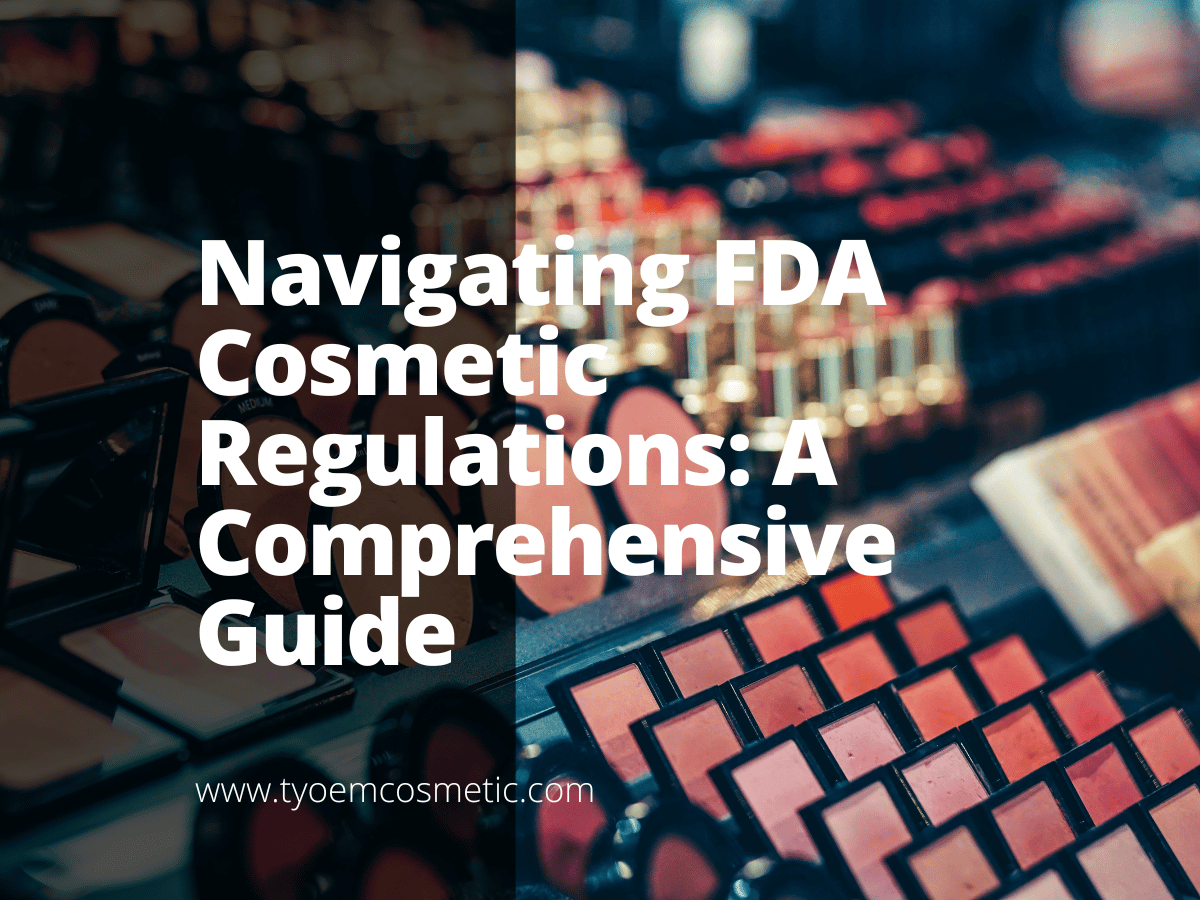
The question of how much makeup is "illegal" is not a straightforward one. Unlike many products, makeup does not have a specific, universal quantity limit that triggers legal repercussions. The legality of makeup usage hinges on a complex interplay of factors, including:
1. Age: In many countries, the sale and use of makeup by minors are subject to regulations. This is often related to the presence of specific ingredients that might be harmful to young skin or the potential for misuse. For example, some countries restrict the sale of certain types of makeup to individuals above a certain age.
2. Purpose: The intended use of makeup is a crucial factor. Makeup marketed for theatrical purposes or professional use may fall under different regulations than those intended for everyday use. Theatrical makeup, for example, often contains higher concentrations of pigments and other ingredients, and may be subject to specific safety guidelines.
3. Ingredients: The composition of makeup is heavily regulated. Ingredients that are known to be harmful or pose a risk of allergic reactions are often banned or restricted in certain concentrations. This is why it is essential to check the ingredients list of any makeup product before purchasing or using it.
4. Labeling and Advertising: The way makeup products are labeled and advertised is subject to strict regulations. False or misleading claims about the efficacy or safety of makeup products are illegal. Regulations also dictate the information that must be displayed on the packaging, such as ingredients, warnings, and instructions for use.
5. Country-Specific Laws: It is crucial to understand that makeup regulations vary significantly from country to country. What is legal in one country may be prohibited in another. This includes the types of ingredients allowed, the labeling requirements, and the age restrictions.
Understanding the Importance of Makeup Regulations
While makeup is often seen as a cosmetic product, it is essential to recognize its potential impact on health and safety. Regulations play a crucial role in:
- Protecting consumers: By setting limits on harmful ingredients and ensuring accurate labeling, regulations safeguard consumers from potential health risks associated with the use of makeup.
- Promoting fair competition: Regulations ensure that all makeup manufacturers adhere to the same standards, preventing unfair advantages and promoting a level playing field.
- Enforcing ethical practices: Regulations address concerns about animal testing, sustainability, and other ethical considerations related to the production and use of makeup.
FAQs on Makeup Regulations
1. Can I use makeup that is not approved in my country?
It is generally not advisable to use makeup that is not approved in your country. This is because the product may not meet the safety standards of your region and could pose a risk to your health.
2. What are the common ingredients that are restricted in makeup?
Commonly restricted ingredients include lead, mercury, formaldehyde, and certain dyes. These ingredients can be harmful to the skin and overall health.
3. What should I do if I experience an adverse reaction to makeup?
If you experience an adverse reaction to makeup, discontinue use immediately and consult a doctor or dermatologist. It is also important to report the incident to the manufacturer or relevant authorities.
4. Are there any specific regulations regarding the sale of makeup online?
Online retailers are subject to the same regulations as traditional retailers. They must ensure that the products they sell meet the relevant safety and labeling standards.
5. How can I stay informed about makeup regulations?
Stay informed by checking the websites of your country’s health and regulatory bodies. You can also consult with dermatologists or other healthcare professionals for advice.
Tips for Navigating Makeup Regulations
- Read the labels: Pay attention to the ingredients list, warnings, and instructions for use.
- Do your research: Before purchasing a product, research its ingredients and safety information.
- Be cautious with online purchases: Ensure that the seller is reputable and that the product meets your country’s regulations.
- Report any concerns: If you have concerns about a makeup product, report them to the manufacturer, relevant authorities, or a consumer protection agency.
- Consult with a healthcare professional: If you have any questions or concerns about makeup, consult with a dermatologist or other healthcare professional.
Conclusion
The legality of makeup is not solely determined by a specific quantity. Instead, it is a complex issue influenced by various factors, including age, purpose, ingredients, labeling, and country-specific laws. Understanding these regulations is crucial for ensuring the safety and ethical use of makeup. By staying informed, consumers can make informed choices and contribute to a safer and more sustainable makeup industry.




Closure
Thus, we hope this article has provided valuable insights into Navigating the Complexities of Makeup Regulations: A Comprehensive Guide. We hope you find this article informative and beneficial. See you in our next article!