
Maintaining Makeup Brush Hygiene: A Comprehensive Guide to Ensuring Optimal Performance and Skin Health
Related Articles: Maintaining Makeup Brush Hygiene: A Comprehensive Guide to Ensuring Optimal Performance and Skin Health
Introduction
With enthusiasm, let’s navigate through the intriguing topic related to Maintaining Makeup Brush Hygiene: A Comprehensive Guide to Ensuring Optimal Performance and Skin Health. Let’s weave interesting information and offer fresh perspectives to the readers.
Table of Content
Maintaining Makeup Brush Hygiene: A Comprehensive Guide to Ensuring Optimal Performance and Skin Health
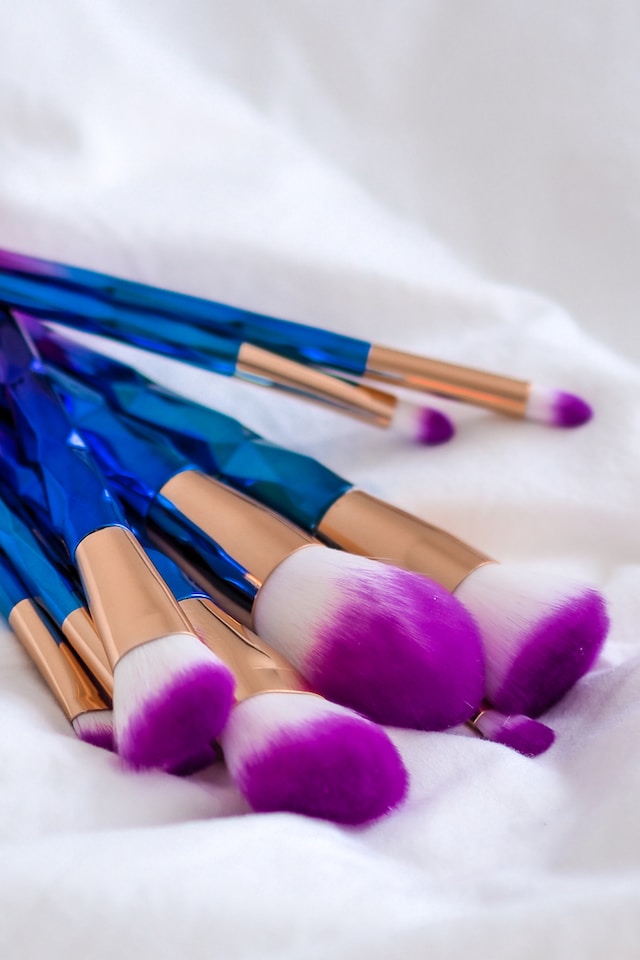
Makeup brushes, essential tools for achieving flawless application, are often overlooked in terms of maintenance. Neglecting their hygiene can lead to a host of problems, impacting both the quality of your makeup application and the health of your skin. This article delves into the intricacies of makeup brush care, providing a detailed understanding of why and how often these tools should be cleaned and replaced.
The Importance of Regularly Cleaning Makeup Brushes
Clean makeup brushes are paramount for several reasons:
- Maintaining Skin Health: Dirty brushes harbor bacteria, dead skin cells, and makeup residue, which can lead to breakouts, irritation, and even infections.
- Preserving Makeup Quality: Makeup products can become contaminated with bacteria and other impurities from dirty brushes, affecting their texture, color, and longevity.
- Optimizing Makeup Application: Clean brushes ensure smooth and even product application, resulting in a flawless and professional finish.
- Extending Brush Lifespan: Regular cleaning removes buildup and prevents damage to the brush fibers, prolonging their lifespan and preserving their functionality.
Determining the Optimal Cleaning Frequency
The frequency of cleaning makeup brushes varies depending on their type, usage frequency, and the individual’s skin sensitivity. However, a general guideline for most makeup brushes is to clean them at least once a week.
Specific Brush Cleaning Recommendations:
- Foundation Brushes: These brushes come into direct contact with the skin and should be cleaned after each use.
- Powder Brushes: Due to their larger size and less frequent contact with the skin, they can be cleaned once a week.
- Blending Brushes: These brushes require frequent cleaning, ideally after each use, as they accumulate product residue and can transfer color between shades.
- Eye Brushes: These brushes are particularly prone to harboring bacteria due to their proximity to the eyes. Cleaning them after each use is essential for preventing eye infections.
- Lip Brushes: Lip brushes should be cleaned after every use, as they can harbor bacteria from the mouth.
Factors Influencing Cleaning Frequency:
- Skin Sensitivity: Individuals with sensitive skin may need to clean their brushes more frequently to minimize the risk of irritation.
- Makeup Type: Oil-based makeup products tend to accumulate on brushes more quickly, necessitating more frequent cleaning.
- Usage Frequency: If you use makeup daily, your brushes will require more frequent cleaning compared to those who use makeup less often.
Recognizing Signs of Worn-Out Brushes
While regular cleaning is crucial, makeup brushes also have a finite lifespan. Here are some signs that your brushes need to be replaced:
- Frayed or Damaged Bristles: Damaged bristles can scratch the skin and hinder makeup application.
- Shedding Bristles: Excessive shedding indicates that the bristles are becoming loose and worn.
- Discoloration or Odor: Discoloration and unpleasant odors suggest that the brush has accumulated too much product residue and bacteria.
- Loss of Shape: Deformed or misshapen brushes can no longer effectively blend and apply makeup.
The Process of Cleaning Makeup Brushes
- Wetting the Brushes: Use lukewarm water and a mild, pH-balanced shampoo or brush cleanser. Avoid harsh soaps or detergents that can damage the brush fibers.
- Lathering the Brushes: Gently lather the brush head with the cleanser, ensuring that the bristles are thoroughly coated.
- Rinsing the Brushes: Rinse the brushes thoroughly under running water, ensuring that all traces of cleanser and product residue are removed.
- Reshaping the Brushes: Gently reshape the brush head with your fingers and lay the brushes flat on a towel to air dry. Avoid placing them upright, as this can encourage water to seep into the handle and damage the brush.
Tips for Effective Brush Cleaning
- Use a Brush Cleaning Mat: A brush cleaning mat provides a textured surface that helps to remove product residue and cleanse the brushes effectively.
- Invest in a Brush Cleaner: A brush cleaner can expedite the cleaning process and ensure that the brushes are thoroughly sanitized.
- Avoid Soaking Brushes: Soaking brushes for extended periods can damage the bristles and loosen the glue that holds them together.
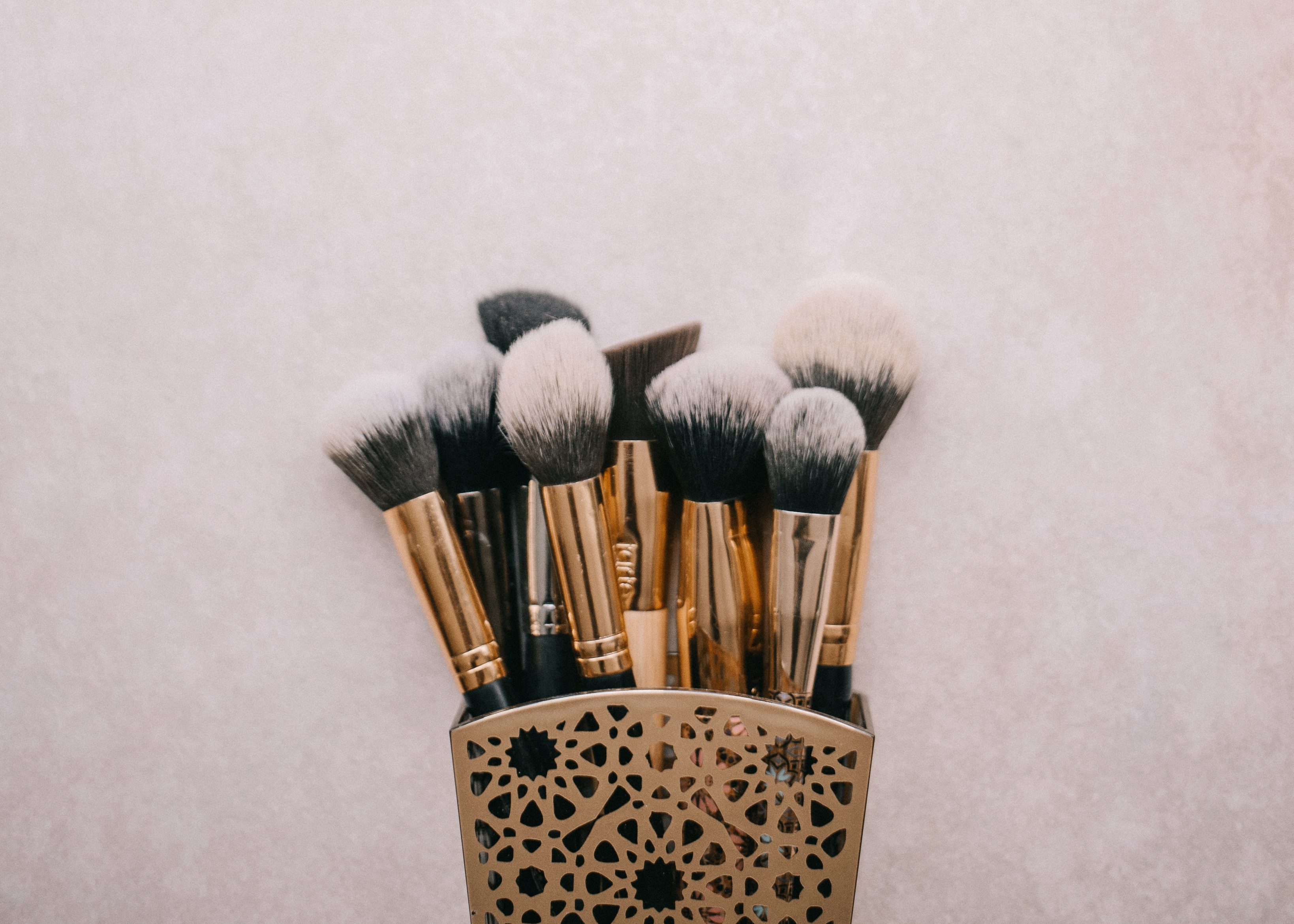
- Store Brushes Properly: Store brushes upright in a clean, dry container to prevent them from accumulating dust and bacteria.
FAQs on Makeup Brush Replacement
Q: How often should I replace my makeup brushes?
A: The lifespan of makeup brushes varies, but most brushes should be replaced every 12 to 18 months. However, brushes with damaged bristles, excessive shedding, or discoloration should be replaced sooner.
Q: What are the signs that my brushes need to be replaced?
A: Signs of worn-out brushes include frayed or damaged bristles, excessive shedding, discoloration or odor, and loss of shape.
Q: Can I clean my brushes with soap and water?
A: While soap and water can be used to clean brushes, it’s best to use a mild, pH-balanced shampoo or brush cleanser designed specifically for makeup brushes.
Q: Can I use alcohol to clean my brushes?
A: Alcohol can be harsh on brush fibers and can damage them over time. It’s best to avoid using alcohol to clean makeup brushes.
Q: Can I boil my brushes to sterilize them?
A: Boiling brushes can damage the bristles and loosen the glue that holds them together. It’s not recommended to boil makeup brushes.
Q: How do I dispose of old makeup brushes?
A: Dispose of old makeup brushes by wrapping them in a paper towel and throwing them in the trash.
Conclusion
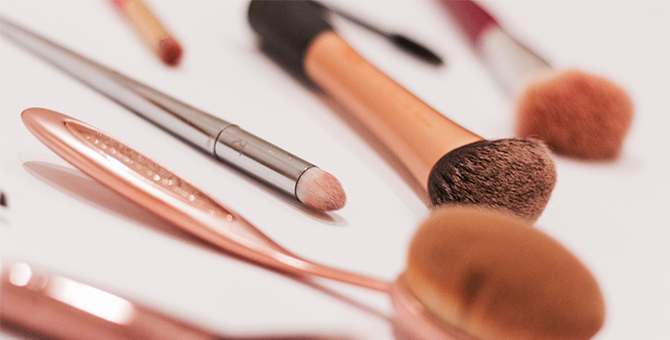
Maintaining the hygiene of your makeup brushes is crucial for both skin health and makeup application quality. Regular cleaning and timely replacement are essential for ensuring optimal performance and preventing the spread of bacteria. By following the guidelines and tips outlined in this article, you can ensure that your makeup brushes remain clean, functional, and safe for use. Remember, investing in proper brush care is an investment in your skin’s health and the longevity of your makeup routine.




Closure
Thus, we hope this article has provided valuable insights into Maintaining Makeup Brush Hygiene: A Comprehensive Guide to Ensuring Optimal Performance and Skin Health. We appreciate your attention to our article. See you in our next article!