
Exploring the Nuances of "Makeup" in Spanish
Related Articles: Exploring the Nuances of "Makeup" in Spanish
Introduction
With enthusiasm, let’s navigate through the intriguing topic related to Exploring the Nuances of "Makeup" in Spanish. Let’s weave interesting information and offer fresh perspectives to the readers.
Table of Content
Exploring the Nuances of "Makeup" in Spanish
The concept of "makeup" transcends language barriers, encompassing a vast array of products and techniques used to enhance or alter one’s appearance. However, translating this term into Spanish requires a nuanced understanding of its various applications and cultural contexts.
While a simple direct translation might seem straightforward, the Spanish language offers a rich tapestry of expressions that capture the multifaceted nature of "makeup," each with its own specific connotations and usage.
Understanding the Context: Beyond a Simple Translation
The key to finding the most appropriate Spanish equivalent for "makeup" lies in understanding the specific context in which it is used. Is it referring to the act of applying cosmetics, the products themselves, or the overall concept of enhancing one’s appearance?
Common Spanish Terms for "Makeup"
-
Maquillaje: This is the most common and general term for "makeup" in Spanish. It encompasses the act of applying cosmetics, the products themselves, and the overall concept of enhancing one’s appearance.
-
Cosméticos: This term refers specifically to the products used for makeup, such as foundation, lipstick, eyeshadow, etc.
-
Pintura: This term literally translates to "paint" and is used informally to refer to makeup, particularly in the context of theatrical makeup or heavy applications.
-
Maquillar: This verb translates to "to make up" and refers to the act of applying makeup.
Beyond the Basics: Specificity and Nuance
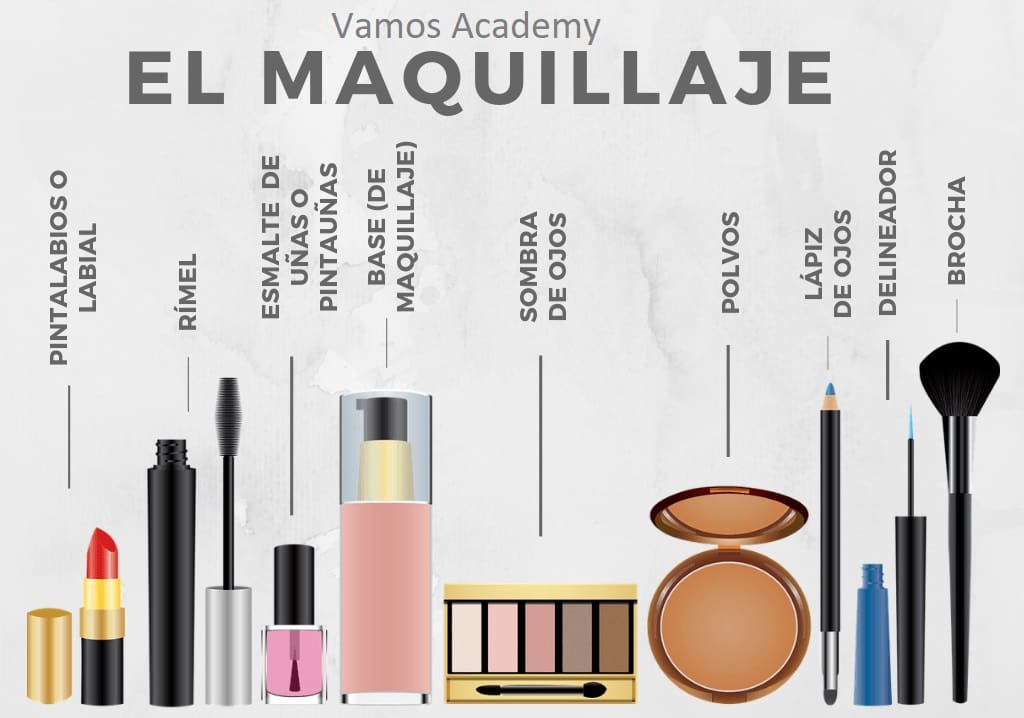
While these general terms provide a starting point, a deeper understanding of the context can lead to more precise translations. For instance, when discussing specific types of makeup, the following terms are commonly used:
- Base de maquillaje: Foundation
- Sombra de ojos: Eyeshadow
- Rímel: Mascara
- Labial: Lipstick
- Delineador de ojos: Eyeliner
- Polvo compacto: Compact powder
Cultural Considerations: The Role of Makeup in Spanish-Speaking Cultures
The role and perception of makeup in Spanish-speaking cultures can differ from those in other parts of the world. In some cultures, makeup is seen as a way to enhance natural beauty, while in others, it is used for more dramatic transformations.
Engaging with the Spanish Language: A Journey of Discovery
Exploring the diverse ways to express "makeup" in Spanish offers a glimpse into the richness and complexity of the language. It highlights the importance of understanding the context and cultural nuances when translating terms that carry significant cultural weight.
FAQs: Navigating the Labyrinth of "Makeup" in Spanish
1. What is the difference between "maquillaje" and "cosméticos"?
While both terms relate to "makeup," "maquillaje" encompasses the act of applying cosmetics, the products themselves, and the overall concept of enhancing one’s appearance. "Cosméticos" specifically refers to the products used for makeup.
2. Is "pintura" a common term for "makeup" in everyday conversations?
"Pintura" is less common in everyday conversations and is usually used informally to refer to makeup, particularly in the context of theatrical makeup or heavy applications.
3. How do you say "makeup artist" in Spanish?
"Maquillador" is the most common term for "makeup artist" in Spanish.
4. What are some common phrases related to "makeup" in Spanish?
- Maquillarse: To put on makeup
- Desmaquillarse: To remove makeup
- Tener buen maquillaje: To have good makeup
- Maquillaje natural: Natural makeup
- Maquillaje de noche: Evening makeup
Tips for Effective Communication:
- When discussing makeup in Spanish, consider the specific context and choose the appropriate term accordingly.
- Pay attention to the cultural nuances surrounding makeup in Spanish-speaking cultures.
- Use a dictionary or online translator to verify the meaning of unfamiliar terms.
- Practice using different terms related to makeup in everyday conversations.
Conclusion: Embracing the Nuances of Language
The journey to understand the intricacies of "makeup" in Spanish is a rewarding one. It unveils the beauty of language, its capacity to capture subtle nuances, and its ability to reflect cultural perspectives. By delving into the diverse expressions for "makeup" in Spanish, we gain a deeper appreciation for the rich tapestry of human communication.


Closure
Thus, we hope this article has provided valuable insights into Exploring the Nuances of "Makeup" in Spanish. We appreciate your attention to our article. See you in our next article!