
A Journey Through Time: The Evolution of Makeup
Related Articles: A Journey Through Time: The Evolution of Makeup
Introduction
In this auspicious occasion, we are delighted to delve into the intriguing topic related to A Journey Through Time: The Evolution of Makeup. Let’s weave interesting information and offer fresh perspectives to the readers.
Table of Content
A Journey Through Time: The Evolution of Makeup
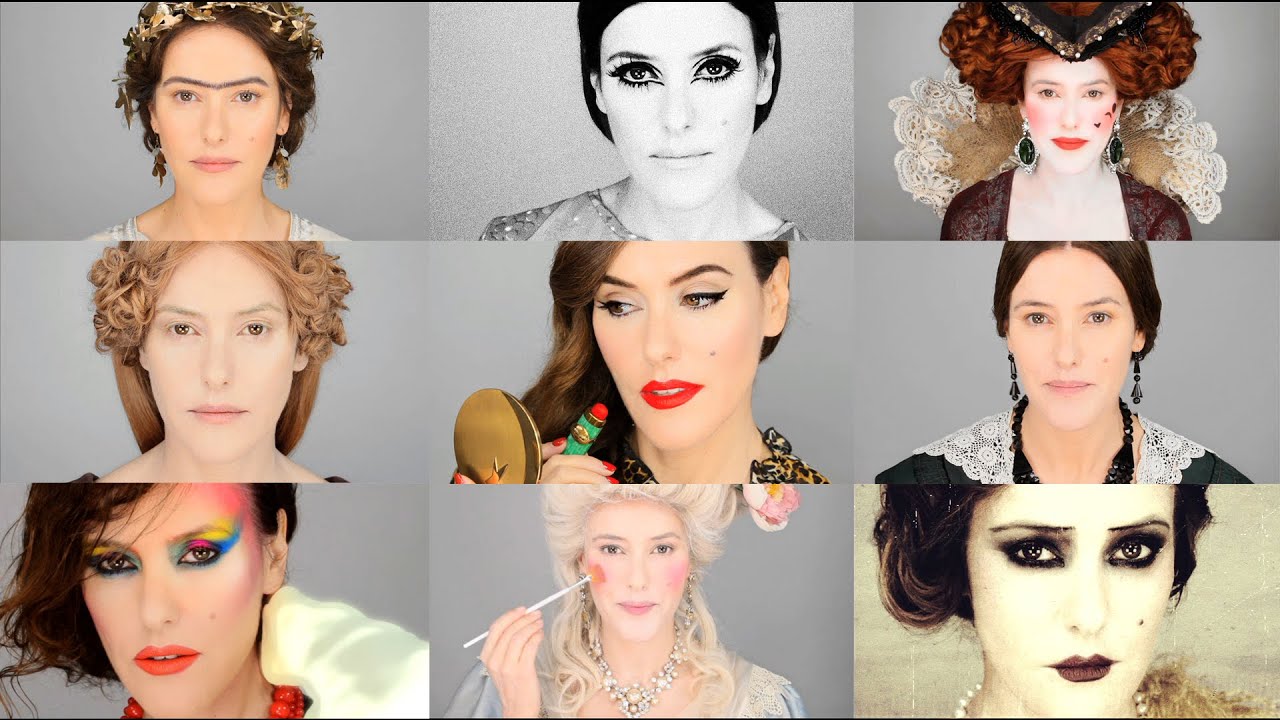
From ancient rituals to modern trends, makeup has played a pivotal role in human history, transcending cultural boundaries and reflecting societal values. Its journey is a fascinating tapestry woven with innovation, symbolism, and the relentless pursuit of beauty. This exploration delves into the captivating history of makeup, tracing its origins, evolution, and enduring influence on our perception of self and society.
Ancient Roots: Embracing Beauty and Ritual
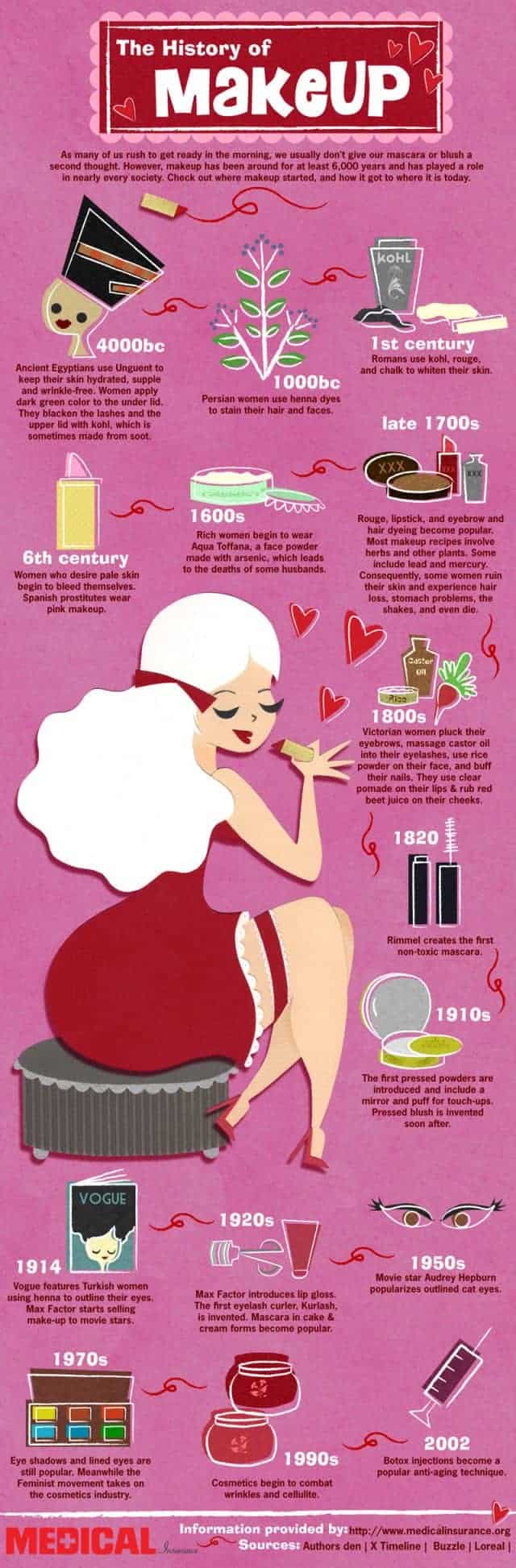
The earliest traces of makeup can be found in ancient civilizations, where it held profound cultural and symbolic significance. In ancient Egypt, makeup was an integral part of daily life, serving both aesthetic and spiritual purposes. Egyptians utilized natural pigments derived from minerals, plants, and insects to create elaborate eye makeup, kohl eyeliner, and red ochre lipstick. The iconic "eye of Horus" design, painted with kohl, was believed to ward off evil spirits and protect the wearer.
Simultaneously, in ancient Mesopotamia, women adorned themselves with kohl, henna, and rouge, emphasizing their beauty and status. Evidence suggests that both men and women in ancient Sumeria used makeup, with pigments extracted from crushed gemstones and clay.
Ancient Rome further embraced the transformative power of makeup. Roman women, known for their luxurious lifestyles, employed a range of cosmetics, including rouge, lipstick, and hair dyes. They used beeswax and honey as bases for their makeup, creating a natural and long-lasting effect.
Medieval Mysticism: A Shift in Focus
The Middle Ages witnessed a change in the perception of makeup. The rise of Christianity led to a focus on spiritual beauty, often emphasizing modesty and restraint. While makeup was not entirely shunned, it became associated with extravagance and immorality. However, certain forms of makeup, like rouge and lip balm, continued to be used, albeit in more subtle ways.
Renaissance Revival: Embracing Individuality
The Renaissance period marked a renewed interest in classical beauty and the human form. This era saw a resurgence of makeup, with women using rouge, lipstick, and powdered faces to enhance their features. The invention of the printing press facilitated the spread of beauty ideals and makeup techniques, contributing to a more unified and widespread understanding of beauty standards.
The Age of Enlightenment: Elegance and Refinement
The Enlightenment era brought about a shift towards natural beauty and a rejection of excessive ornamentation. Makeup became more subtle and refined, with a focus on achieving a natural, healthy glow. This period saw the development of new cosmetic ingredients, including mineral powders and vegetable dyes, paving the way for more refined makeup formulas.
The Victorian Era: Modesty and Subtly
The Victorian era, known for its strict social norms and emphasis on modesty, saw a decline in the use of overt makeup. The ideal of beauty centered around pale skin, rosy cheeks, and a natural look. Makeup, when used, was applied sparingly and with great discretion.
The 20th Century: Innovation and Empowerment
The 20th century witnessed a dramatic shift in makeup trends, driven by technological advancements and changing social attitudes. The invention of the mascara wand in 1915 revolutionized eye makeup, allowing for greater control and precision. The development of synthetic dyes and pigments led to a wider range of colors and shades, offering more options for individual expression.
The 1920s, marked by flapper culture, saw a resurgence of makeup, with women embracing bold lips, defined eyes, and a more androgynous look. This era also saw the rise of beauty salons and makeup counters, making makeup more accessible to a wider audience.
The 1940s and 1950s brought about a more feminine and glamorous look, with emphasis on red lips, winged eyeliner, and perfectly groomed brows. The development of lipstick and eyeshadow palettes further fueled the creative exploration of makeup.
Modern Makeup: Diversity and Inclusivity
The 21st century has witnessed an unprecedented revolution in the makeup industry. With a focus on diversity, inclusivity, and self-expression, makeup has become a powerful tool for self-discovery and empowerment. The availability of a wide range of colors, textures, and formulas allows individuals to experiment and create unique looks that reflect their individual personalities.
Modern makeup brands are increasingly embracing inclusivity, offering a broader range of shades and products to cater to diverse skin tones and types. This shift reflects a growing understanding of the importance of representation and the power of makeup to foster a sense of belonging.
The Enduring Influence of Makeup
Throughout its history, makeup has played a multifaceted role in society. It has served as a tool for self-expression, a symbol of status, and a reflection of cultural ideals. Makeup has empowered individuals to enhance their features, experiment with different aesthetics, and express their unique identities.
From ancient rituals to modern trends, makeup continues to evolve, reflecting the changing values and aspirations of society. Its enduring appeal lies in its ability to transform, empower, and inspire, reminding us that the pursuit of beauty is an intrinsic part of the human experience.
FAQs about Makeup History
Q: What are the earliest known uses of makeup?
A: The earliest known uses of makeup date back to ancient Egypt, Mesopotamia, and Sumeria, where people used natural pigments derived from minerals, plants, and insects for both aesthetic and spiritual purposes.
Q: How has makeup been used to express social status throughout history?
A: Throughout history, makeup has been used to signify social status and wealth. In ancient Rome, women used expensive pigments and perfumes to showcase their affluence. During the Victorian era, makeup was used more sparingly, reflecting a focus on modesty and respectability.
Q: What were the major technological advancements that impacted the development of makeup?
A: The invention of the mascara wand, the development of synthetic dyes and pigments, and the creation of lipstick and eyeshadow palettes were major technological advancements that revolutionized the makeup industry.
Q: How has makeup been used to challenge societal norms?
A: Makeup has been used to challenge societal norms in various ways. The flapper era in the 1920s saw women embrace bold makeup looks that challenged traditional notions of femininity. The modern makeup movement embraces diversity and inclusivity, challenging narrow beauty standards and promoting self-expression.
Q: What are some of the key trends in modern makeup?
A: Modern makeup trends are characterized by diversity, inclusivity, and a focus on individual expression. This includes a wider range of shades, textures, and formulas, as well as a growing emphasis on natural and minimalist looks.
Tips for Exploring Makeup History
- Visit museums and historical sites: Museums dedicated to fashion, art, and history often have exhibits showcasing the evolution of makeup.
- Read books and articles: There are numerous books and articles available that delve into the history of makeup, from ancient civilizations to modern trends.
- Explore online resources: Websites and blogs dedicated to beauty and makeup history provide a wealth of information and insights.
- Attend workshops and events: Workshops and events focused on makeup history can offer hands-on experiences and expert insights.
Conclusion
Makeup’s history is a testament to human ingenuity and the enduring pursuit of beauty. From its ancient roots in ritual and symbolism to its modern evolution as a tool for self-expression and empowerment, makeup has played a significant role in shaping our perceptions of self and society. As the makeup industry continues to evolve, it will undoubtedly continue to inspire and reflect the changing dynamics of beauty and identity.




Closure
Thus, we hope this article has provided valuable insights into A Journey Through Time: The Evolution of Makeup. We hope you find this article informative and beneficial. See you in our next article!